
Opening every window is not always a cooling strategy. Compare indoor and outdoor conditions, then consider security, falls, smoke and the needs of the people in the home.
Compare the air, not the clock alone
Outdoor temperature can remain high late into the evening or vary between shaded and exposed sides of a building. Follow official guidance about letting in cooler air and limiting hot air entering. A simple room thermometer can help you understand the pattern, but it cannot assess every health or ventilation issue.
- Check a representative room rather than beside a radiator.
- Keep the local forecast available.
Use safe openings and shading
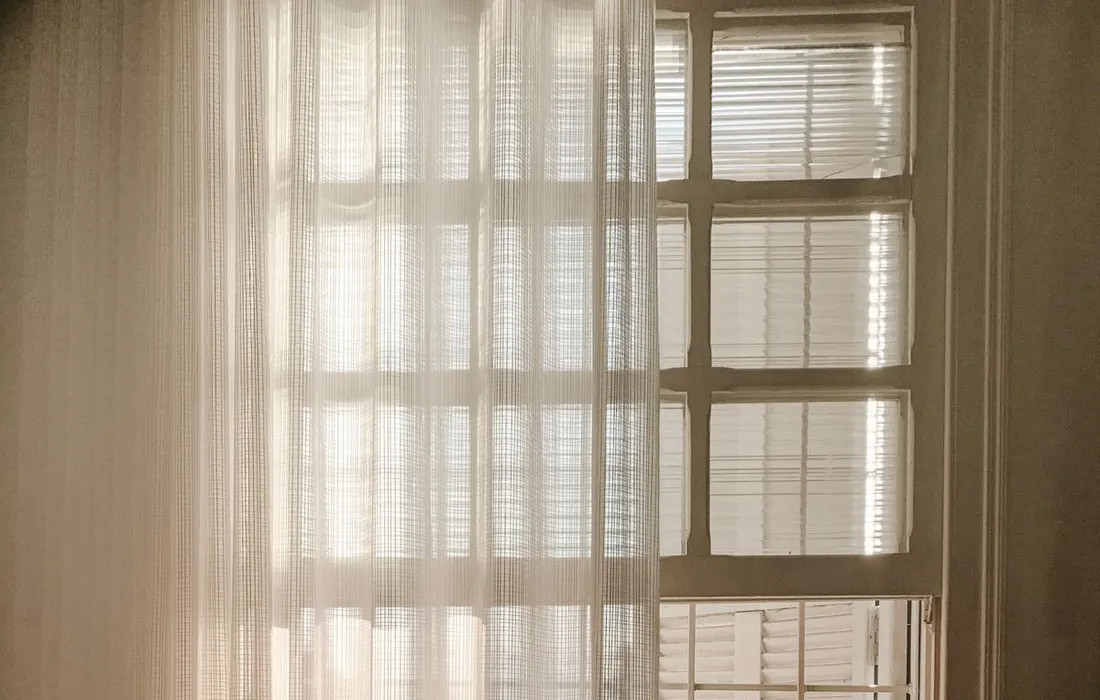
Use suitable curtains, blinds or shutters to reduce direct sun. Open windows safely when cooler conditions allow, keeping fall prevention and security in mind. Do not defeat child-safety restrictors or obstruct exits to create airflow. Ask the landlord about ventilation systems you do not understand instead of switching them off at random.
- Keep children away from open windows.
- Follow instructions for fitted ventilation.
Adapt to smoke and other hazards
If official advice says to keep doors and windows closed because of smoke or another incident, follow it and seek additional support if the home becomes unsafe from heat. Do not treat this article as a live instruction for your address. Local emergency advice takes priority over a general cooling routine.
- Use verified local updates.
- Ask for medical help if someone becomes unwell.
Reader comments
What has helped your household? Share practical experience or ask a question. No account or email needed.
Names are unverified. Comments are readers' views, not official advice. Please avoid personal details, medical instructions, promotions and conspiracy claims. Comment policy & privacy
Loading comments.
Leave a comment
Report a comment or request removal