
A top-floor home can retain heat and offer limited ventilation choices. Start with shading, timing and a realistic alternative for the hottest periods, especially if someone has health or care needs.
Find where heat enters
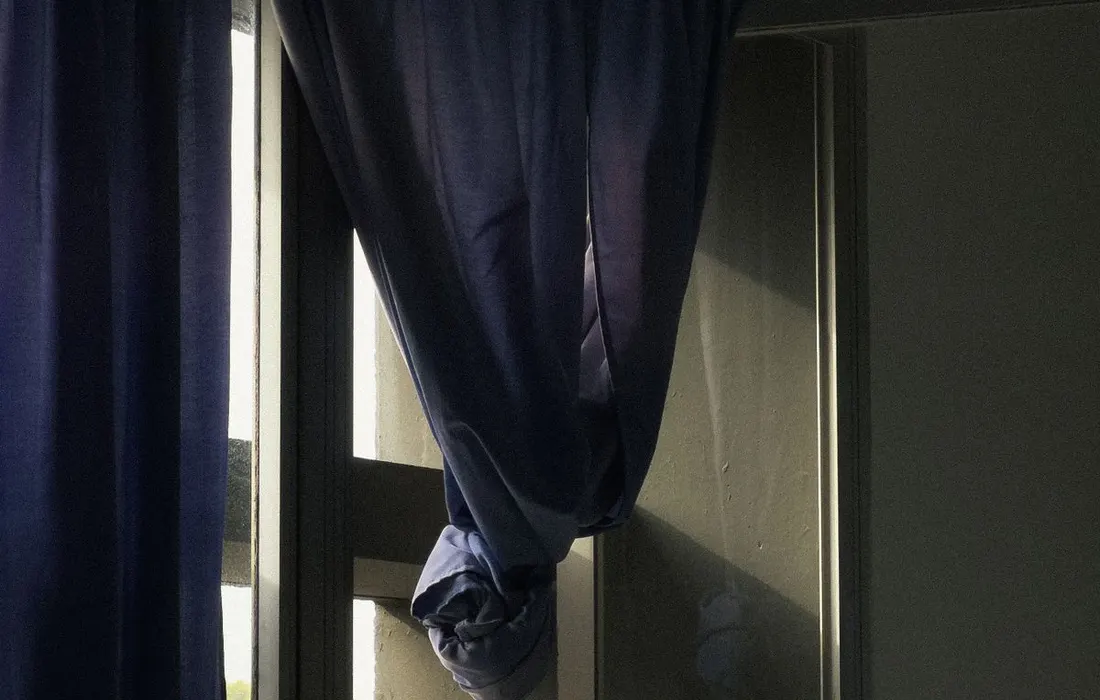
Notice which windows receive direct sun and which rooms remain warm after sunset. Use existing suitable blinds or curtains and check any fitted ventilation instructions. If you rent, tell the landlord about recurring overheating and ask about appropriate improvements. Do not remove safety restrictors or lean out of windows to fit improvised shading.
- Keep fire exits and shared corridors clear.
- Check whether shading can be used safely.
Use the cooler periods
Open windows only when outdoor air is cooler and when security, fall risk and outdoor air quality allow. Keep unnecessary heat-producing equipment off when it is safe to do so. Choose meals and work routines that do not add avoidable heat. A thermometer can help compare rooms without relying on one quick impression.
- Move rest activities to a cooler suitable room.
- Keep drinks accessible.
Have somewhere else to go
Check a cooler public building or trusted destination directly for hours and access. Plan transport without exposing someone to a difficult journey at the hottest time. If care equipment or health needs make the flat unsafe, contact the relevant support services early. Do not wait for a general warning to address ongoing illness or overheating.
- Tell a trusted person if you relocate.
- Keep necessary medicines with you.
Reader comments
What has helped your household? Share practical experience or ask a question. No account or email needed.
Names are unverified. Comments are readers' views, not official advice. Please avoid personal details, medical instructions, promotions and conspiracy claims. Comment policy & privacy
Loading comments.
Leave a comment
Report a comment or request removal