
An electricity interruption can stop heating even in homes that do not use electric radiators, because controls and pumps may need power. A practical warmth plan begins with clothing, bedding, information and individual support needs. It should never depend on using outdoor fuel-burning equipment indoors.
Make ordinary items accessible
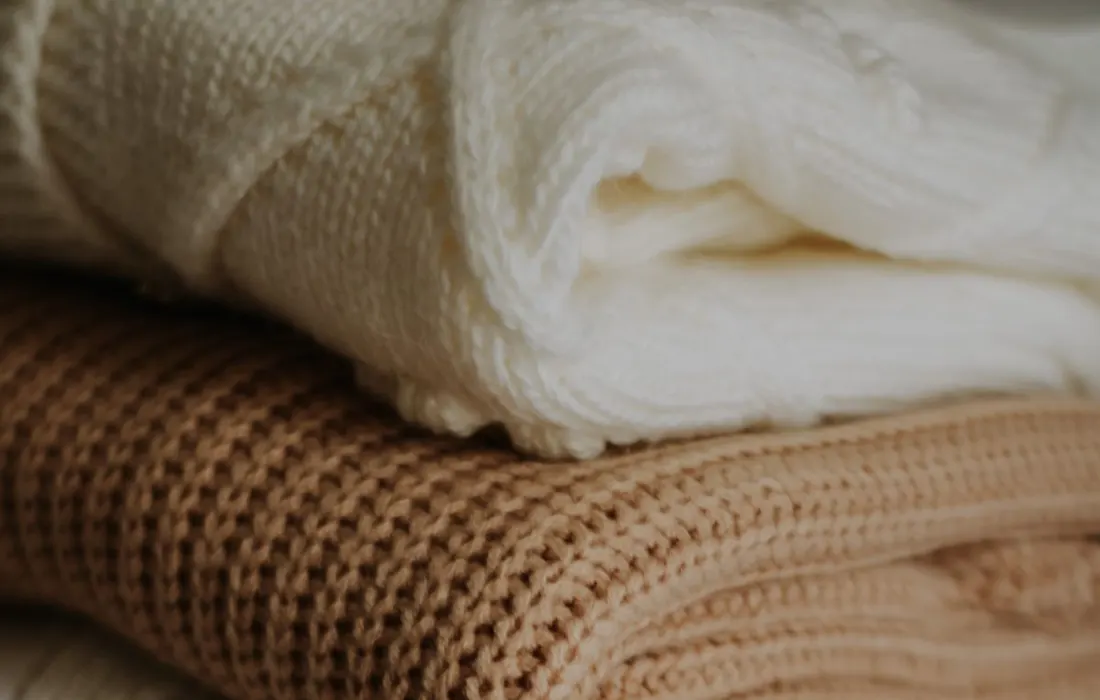
Keep suitable layers, blankets and bedding ready to use. Choose items the intended person can manage and consider children, older people and anyone with health or mobility needs. Keep escape routes clear and do not cover ventilation or equipment in ways that conflict with safety instructions.
- Locate essential personal care items before the room becomes cold.
- Use a torch rather than an open flame for light.
Avoid dangerous substitutes
Do not heat a room with a barbecue, camping stove, generator or outdoor-only heater. An oven or hob should not be used as room heating. Opening a window does not make unsafe indoor combustion safe. Follow official fire and public-health advice for any installed heating equipment.
Know when the home is no longer suitable
Agree who to contact if warmth cannot be maintained for someone at higher risk. Check current local support information rather than assuming a public warm space will always be open or reachable during the same incident. Confirm any alternative location meets accessibility and care needs. If the outage continues, reassess instead of waiting indefinitely for an estimate to become true. Ask the care team about specific temperature-related concerns in advance, and follow emergency instructions if circumstances become dangerous.
Reader comments
What has helped your household? Share practical experience or ask a question. No account or email needed.
Names are unverified. Comments are readers' views, not official advice. Please avoid personal details, medical instructions, promotions and conspiracy claims. Comment policy & privacy
Loading comments.
Leave a comment
Report a comment or request removal