
A lantern can make a shared room easier to use during a power cut, but size and placement matter as much as a brightness number. The Ledlenser ML4 and Coleman BatteryGuard 600L address rather different needs. This comparison uses their published manufacturer information checked on 24 October 2026. It helps choose a format; it does not claim that either has been tested in a blackout.
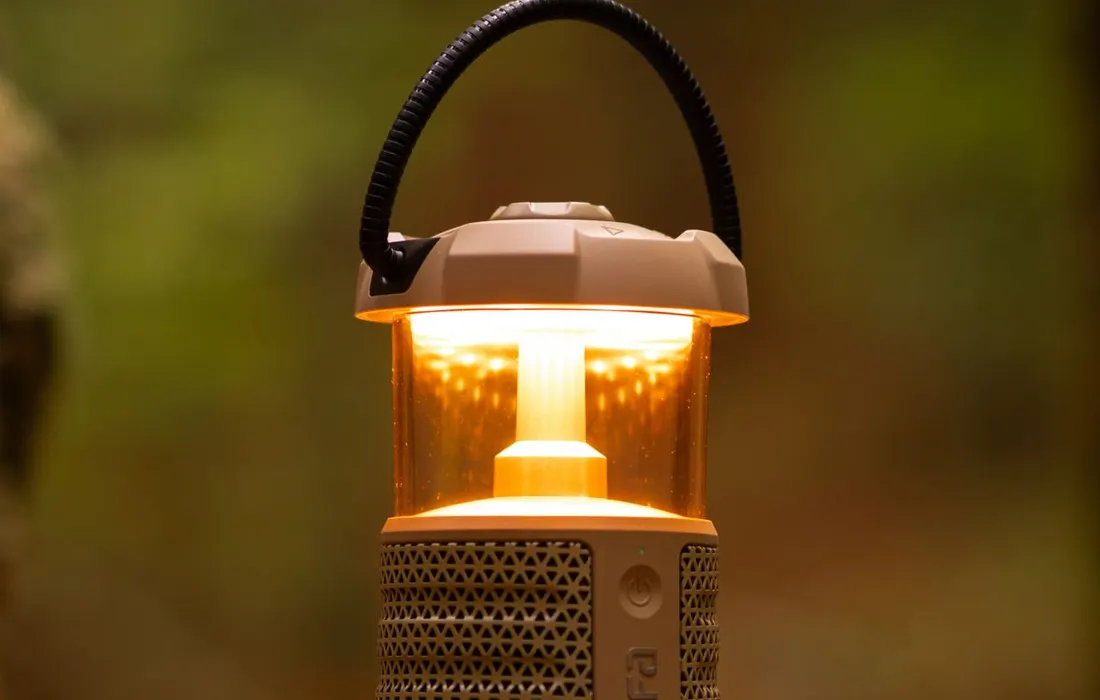
Products to compare
Affiliate disclosure: As an Amazon Associate I earn from qualifying purchases. Amazon links below are paid links to specific product listings.
Ledlenser ML4 rechargeable mini lantern
A compact option for a small personal light or a bag where carrying weight matters.
Keep its magnetic cable; distinguish the white-light and warm-light versions and approved batteries.
Linked version: ML4 502053, neutral light.
View on Amazon.co.ukManufacturer detailsColeman BatteryGuard 600L lantern
A larger electric lantern to consider for an agreed shared-room location.
It needs three D cells, not AA cells; check the UK model and include batteries in the total cost.
Linked version: 600L, model 2000033874; D cells not included.
View on Amazon.co.ukManufacturer detailsStart with the room and the person carrying it
The ML4 is a compact lantern: Ledlenser lists a height of 97 mm and weight of 71 g including its battery. It is a plausible choice for a small table, a portable personal light or a bag where weight matters. Its clip may help with positioning, but only use a secure suitable attachment point. A small light beside one person is not automatically enough for everyone in the room.
Coleman lists the UK BatteryGuard 600L at 12 x 22 cm and specifies three D cells. That larger format may suit a household wanting a dedicated shared-room lantern that stays in one agreed place. Check the footprint, how easy it is to carry when loaded and whether the controls work for the intended user. Avoid placing any lantern where it can fall into water or obstruct an exit.
Match output to the task
Ledlenser lists a 300-lumen maximum for the ML4, with a normal power setting of 150 lumens and a much lower setting for close ambient light. Coleman lists 600 lumens on high and 75 lumens on low for its 600L model. Those figures explain the available settings, but do not measure how comfortable or evenly lit your particular kitchen will be.
For reading an instruction sheet, look at where the page can sit and whether light reaches it without glare. For sharing a meal or helping children settle, a lower setting and stable placement may be preferable to maximum output. Do not pair a product headline about longest runtime with its highest brightness unless the manufacturer explicitly specifies that combination.
- Keep a small reachable torch for moving away from the shared light.
Consider charging and stored cells
The ML4 includes a 14500 lithium-ion battery and a magnetic charging cable. Ledlenser also permits an AA alkaline cell as an alternative power source. Keep the special cable with the light, follow its instructions and do not assume another similar-looking lithium cell is approved. Check which light-colour version you are buying because the published runtime information differs.
The Coleman uses D cells rather than the AA or AAA cells common in many radios and torches. Account for obtaining, storing and replacing that separate size. Its BatteryGuard system disengages the batteries through the switch arrangement; it is not a reason to ignore battery condition or storage instructions. Neither a protective feature nor a full charge guarantees readiness after a long period without checks.
Make a proportionate purchase
Choose the ML4 when compact carrying and the specified rechargeable arrangement solve a real problem. Choose the BatteryGuard 600L when a larger dedicated room light and replaceable D-cell plan suit the household better. The ML4 has an IP66 rating and Coleman lists IPX4; read the respective instructions instead of treating either as a light for immersion or flooded areas.
If a stable electric lantern you already own does the job, keep using it and correct any missing battery or cable first. Compare the exact model and bundle across reputable sellers, including delivered cost and return arrangements. This comparison concerns electric lanterns. A fuel lantern, barbecue or camping stove is not an indoor substitute. Organise charging safely and show everyone where the chosen light is kept before the next outage.
Reader comments
What has helped your household? Share practical experience or ask a question. No account or email needed.
Names are unverified. Comments are readers' views, not official advice. Please avoid personal details, medical instructions, promotions and conspiracy claims. Comment policy & privacy
Loading comments.
Leave a comment
Report a comment or request removal