
A toddler's useful emergency bag usually looks more like an ordinary outing bag than survival equipment. Familiar items, spare clothing and a predictable adult response can reduce distress when the household has to leave home unexpectedly.
Start with the normal routine
Think through a typical half day away from home: changing, eating, resting and being comforted. Pack a few items the child already uses, including any everyday care supplies and food appropriate to their age. Keep specialist health arrangements in the child's agreed care plan rather than relying on generic packing lists.
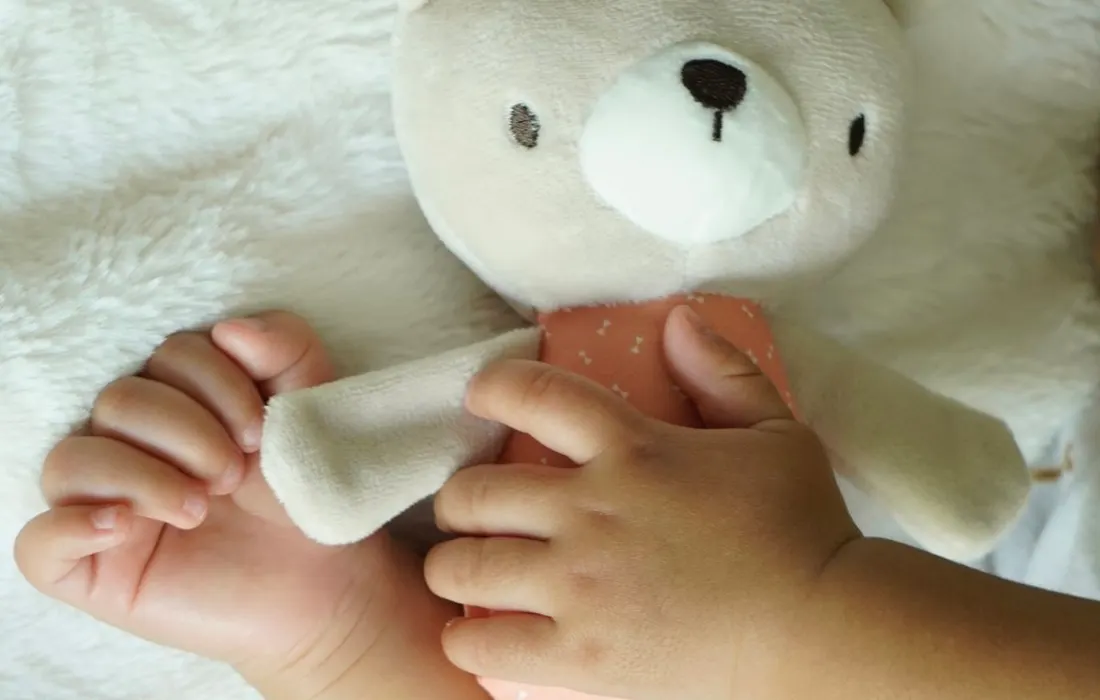
- Choose a washable comfort item or small favourite toy.
Make the bag usable by an adult
The bag should be easy for a responsible adult to carry while supervising the child. Label clothing sizes and replace items as the child grows. A spare familiar cup may be more useful than a new gadget. Keep essential information available to the carer without displaying the child's personal details on the outside.
- Put changes of clothing in a separate pouch.
Practise a calm departure
Use ordinary language about visiting somewhere safe and staying together. Never ask a toddler to retrieve belongings, search the home or manage a meeting point alone. If officials instruct you to leave, go promptly; a missing toy is not a reason to return to danger. Review the bag after normal outings as well as seasonal checks.
- Keep shoes and a coat easy to reach.
Reader comments
What has helped your household? Share practical experience or ask a question. No account or email needed.
Names are unverified. Comments are readers' views, not official advice. Please avoid personal details, medical instructions, promotions and conspiracy claims. Comment policy & privacy
Loading comments.
Leave a comment
Report a comment or request removal