
A drawer of loose batteries can be hard to use and may create avoidable risks. Emergency spares should be easy to identify, compatible with the intended device and stored according to their instructions. Quantity matters less than having the right safe cells when needed.
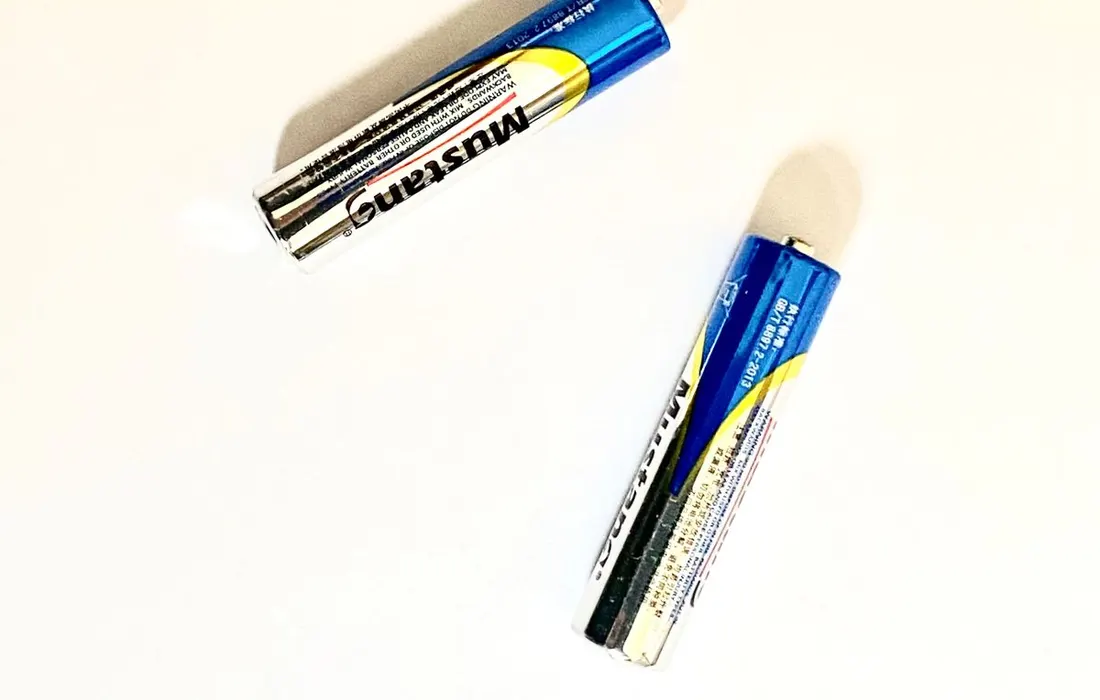
Match spares to devices
List the torch and radio battery types, including any requirement about chemistry or cell size. Keep the device manual where useful. Do not assume two batteries with similar dimensions are interchangeable, and do not mix old and new cells or different types contrary to instructions.
- Mark which spare set belongs to which device.
- Keep original safety information and dates available.
Protect the storage
Keep batteries away from loose metal objects that could bridge terminals. Use appropriate packaging or a suitable protective case, following manufacturer directions. Keep button batteries and other hazardous small items out of children's reach and follow relevant product safety advice. Store away from excessive heat, water and damage.
Review and dispose properly
Check spares when reviewing the kit rather than discovering leakage during an outage. Do not use damaged cells or attempt to recharge batteries that are not designed for it. Follow local collection and recycling guidance for the type involved; batteries should not simply be dropped into ordinary household waste. If you change a device, update the spare set instead of leaving obsolete cells in the emergency box. A simple compatible system is easier to maintain than a large mixed collection with unknown condition or age.
Reader comments
What has helped your household? Share practical experience or ask a question. No account or email needed.
Names are unverified. Comments are readers' views, not official advice. Please avoid personal details, medical instructions, promotions and conspiracy claims. Comment policy & privacy
Loading comments.
Leave a comment
Report a comment or request removal