
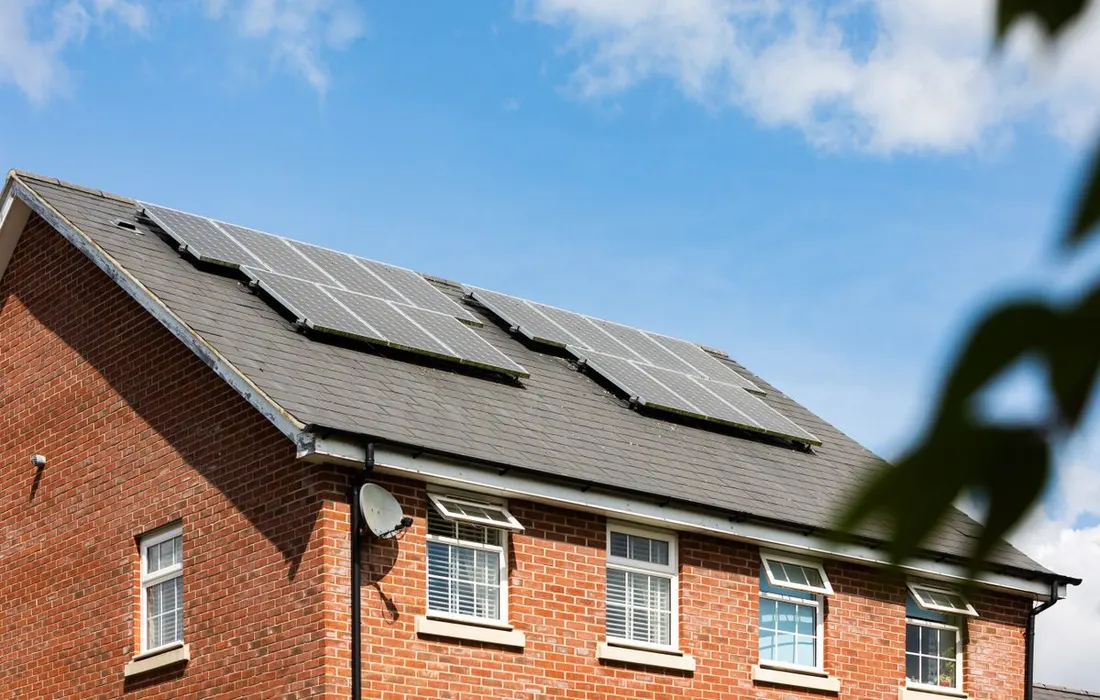
Solar panels do not automatically mean a home has backup electricity. What happens in a power cut depends on the installed system, its inverter, storage and any properly configured backup capability. Ask the installer about the exact arrangement rather than relying on a general statement about solar power.
Check the documentation
Find the model and installation records, and ask which circuits, if any, are supported during an outage. Clarify how the system behaves automatically and what actions the user is permitted to take. Do not operate unfamiliar isolators or bypass safety features to try to keep the panels supplying the house.
- Keep the installer's contact details available offline.
- Make sure another responsible household member understands the limits.
Distinguish energy from access
A home battery may store energy but still not support every circuit or appliance. Available power and duration depend on the setup and conditions. Treat marketing descriptions and app displays as information to clarify with the installer, not proof that essential medical or communication equipment will remain powered.
Keep a modest fallback
Maintain independent lighting, phone charging and current care contingencies even if the house has solar equipment. If backup capability matters to a new installation, specify the actual need and seek qualified advice before purchasing. Do not improvise electrical connections or assume an outage makes wiring safe to touch. During a fault or flood, follow professional and emergency instructions. The useful preparedness outcome is knowing what your installed system can do safely, including what it cannot support.
Reader comments
What has helped your household? Share practical experience or ask a question. No account or email needed.
Names are unverified. Comments are readers' views, not official advice. Please avoid personal details, medical instructions, promotions and conspiracy claims. Comment policy & privacy
Loading comments.
Leave a comment
Report a comment or request removal