
Pets need their own practical place in a household evacuation plan. A bag is useful only if the animal can be transported safely and the destination knows about them. Think about handling, food and access before a warning becomes urgent.
Use normal care as the checklist
Pack a manageable amount of the pet's usual food, an appropriate bowl, drinking water and the supplies needed for routine cleaning. Add current vet contact details and relevant care records. If the animal needs medication or specialist care, ask the vet for a disruption plan rather than improvising products or doses. Check the bag again after a change of diet, animal size or routine care requirements.
- Keep food labelled and rotate it through normal use.
Prepare secure transport
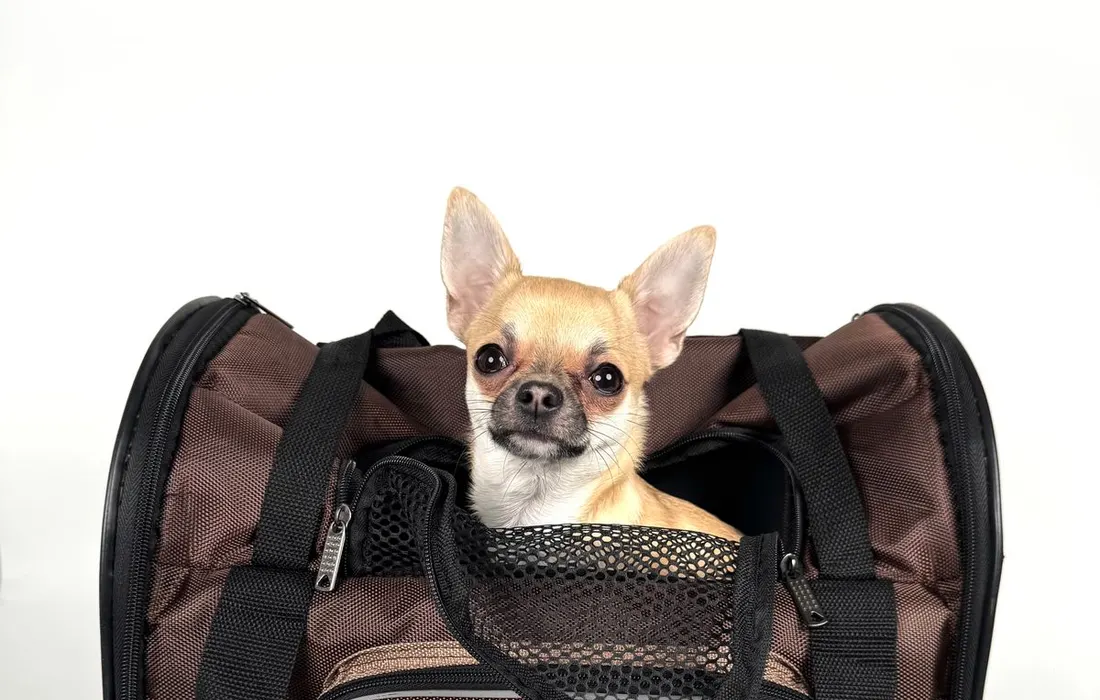
Locate the carrier, lead, harness or other appropriate equipment and check it is usable. A carrier stored behind heavy boxes may be difficult to retrieve quickly. For animals with unusual transport needs, discuss options early with a suitable professional or experienced provider, and confirm that the vehicle and destination can accommodate them.
- Practise calm, ordinary use of the carrier.
Know the limits of the plan
Check pet arrangements with the relevant emergency centre or accommodation provider when possible; do not assume every venue accepts every animal. Follow evacuation instructions promptly and never enter floodwater or damaged buildings to retrieve possessions. If an animal cannot be moved safely, seek official assistance without putting people at risk.
- Take a recent identifying photograph and keep it accessible.
Reader comments
What has helped your household? Share practical experience or ask a question. No account or email needed.
Names are unverified. Comments are readers' views, not official advice. Please avoid personal details, medical instructions, promotions and conspiracy claims. Comment policy & privacy
Loading comments.
Leave a comment
Report a comment or request removal