
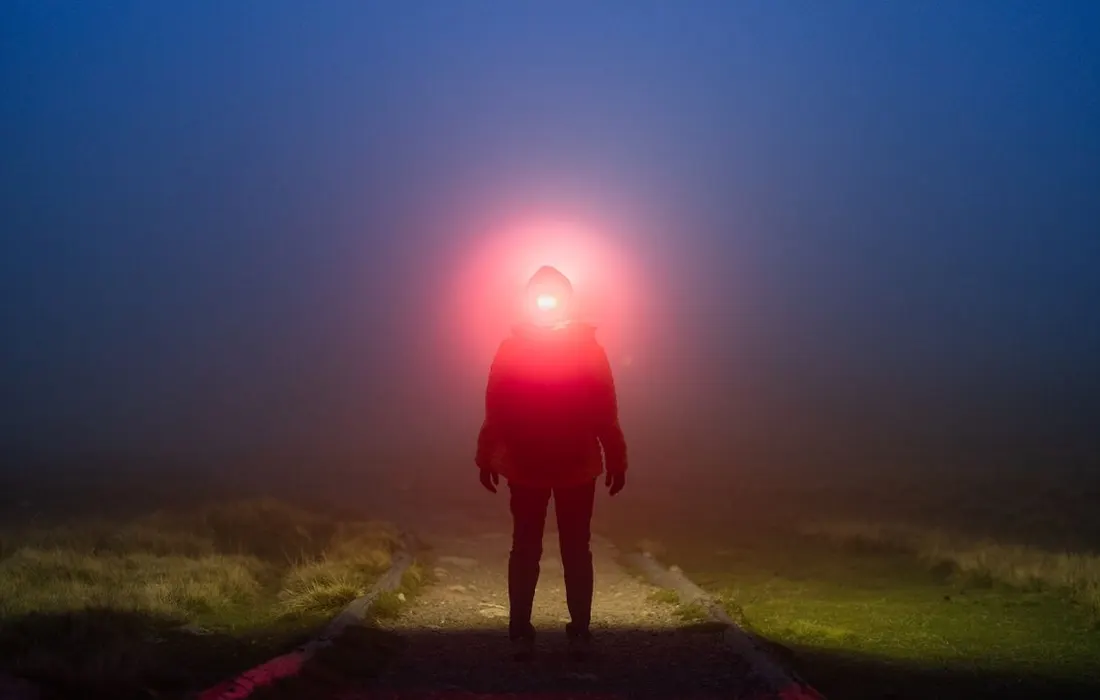
A headtorch can help when both hands are needed, such as finding a contact sheet or handling a bag. It is not automatically the best light for everyone. Consider comfort, controls and whether the beam creates glare for other people in a small room.
Test fit and usability
Check whether the strap is comfortable and the switch can be found without removing the device. Glasses, hearing devices or sensory preferences may affect fit. Look for a setting suited to close tasks rather than using maximum output for everything. Keep batteries or a charging cable appropriate to the model.
- Avoid pointing the beam directly into another person's eyes.
- Follow the manufacturer's instructions for children and storage.
Match it to the task
Hands-free light may be useful while moving supplies, but it should not encourage risky repairs or entering unsafe spaces. A headtorch does not make electrical work, floodwater or a damaged building safe. Use professional help and official instructions where required.
Avoid unnecessary duplication
If an existing torch and stable room light already cover your needs, another device may add little. If you decide a headtorch fills a gap, test it before relying on it and put it in a consistent place. Consider runtime, replacement parts and how you will keep it ready. A practical emergency kit uses a few familiar tools well rather than collecting specialised equipment with different charging systems. Recheck comfort and access after changes in vision, mobility or the person expected to use it.
Reader comments
What has helped your household? Share practical experience or ask a question. No account or email needed.
Names are unverified. Comments are readers' views, not official advice. Please avoid personal details, medical instructions, promotions and conspiracy claims. Comment policy & privacy
Loading comments.
Leave a comment
Report a comment or request removal