
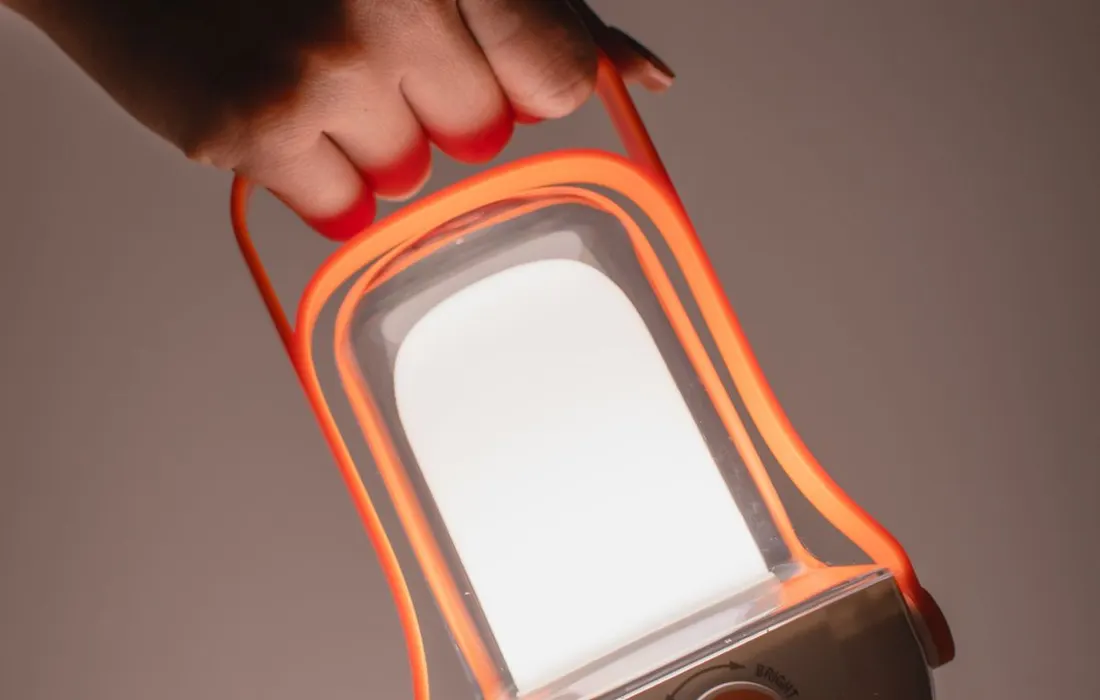
A lantern can make a room easier to use during a power cut while leaving hands free. The best choice depends on the space and people involved. Think about stable placement and comfortable light rather than assuming the brightest advertised lantern is the most practical.
Look at how the room is used
You may need light for reading a notice, sharing a meal or helping a child settle. A low or medium setting may be sufficient and easier on tired eyes. Check whether the light can be positioned without shining directly into someone's face or creating strong shadows across a walking route.
- Keep the lantern away from water and heat as instructed.
- Avoid leaving charging cables across the floor.
Check stability and controls
A wide stable base and easy-to-find switch can be valuable. Hanging options only help if you have a secure suitable attachment point; do not hang heavy equipment from improvised fittings. Test whether the intended person can change settings and access the charging port or batteries.
Plan the power and backup
Read runtime information at the useful brightness setting and keep the required cable or batteries with the device. Follow charging instructions and inspect rechargeable equipment for damage. A lantern does not replace a small accessible torch if someone needs to move to another room. You may already own a suitable camping lantern, but use it only according to its design; this article concerns electric lighting, not fuel-burning lanterns. Keep the overall plan simple enough that every household member can find safe light without instructions from one absent person.
Reader comments
What has helped your household? Share practical experience or ask a question. No account or email needed.
Names are unverified. Comments are readers' views, not official advice. Please avoid personal details, medical instructions, promotions and conspiracy claims. Comment policy & privacy
Loading comments.
Leave a comment
Report a comment or request removal