
A power bank can keep a phone usable during a short outage, but the number printed on its case is only part of the decision. Check compatibility, safe charging and practical size. Start with a reputable product that matches the devices your household needs to charge.
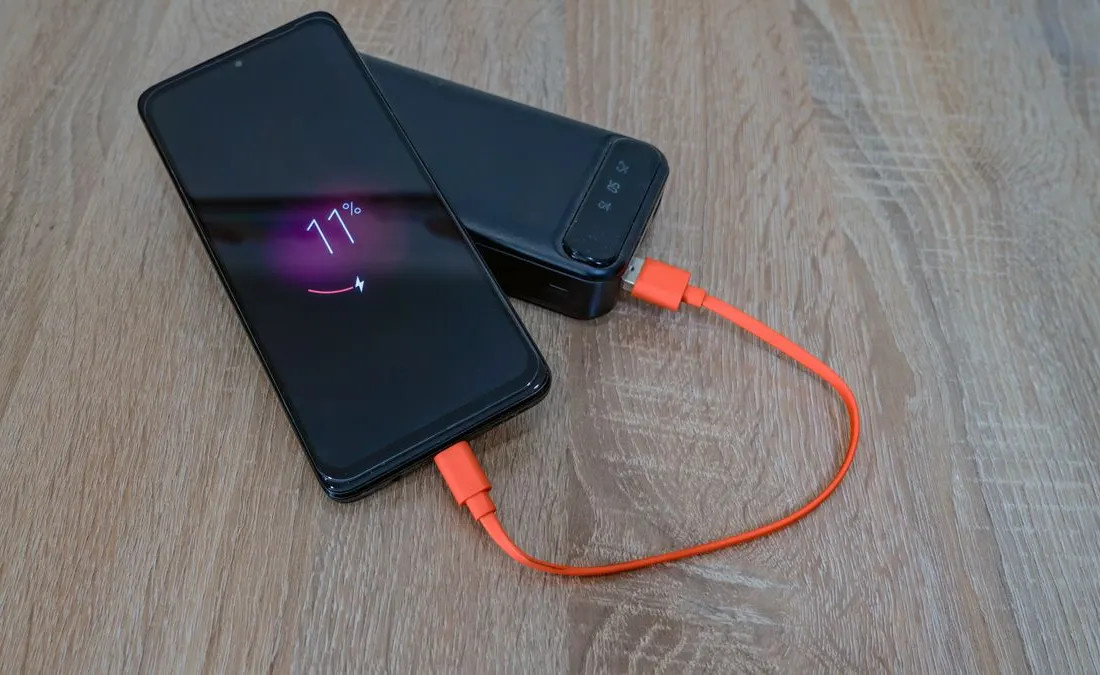
Check the charging path
Look at the phone's input, the power bank's output and the cable between them. A matching connector does not always establish that every desired charging feature works. Read the specifications and try a normal charge. Include the cable in your emergency arrangement rather than assuming one will be nearby.
- Check whether several devices can be charged as intended.
- Consider controls the user can read and operate.
Understand capacity claims
Advertised capacity does not translate directly into an exact guaranteed number of phone charges. Conversion losses, device size, battery condition and use affect results. Use the manufacturer's information as a guide and observe your own ordinary charging needs. Avoid buying a very heavy unit when a smaller one meets the identified task.
Keep safety central
Buy from a reputable retailer, follow instructions and inspect for damage, swelling or unusual heat. Protect the power bank from water, crushing and extreme temperatures. Do not charge it under bedding or use a damaged cable. Keep purchase details for recalls or warranty issues, and recycle it through an appropriate route when retired. The best power bank is one you can maintain safely and find charged when the interruption begins.
Reader comments
What has helped your household? Share practical experience or ask a question. No account or email needed.
Names are unverified. Comments are readers' views, not official advice. Please avoid personal details, medical instructions, promotions and conspiracy claims. Comment policy & privacy
Loading comments.
Leave a comment
Report a comment or request removal