
Being far from a river does not rule out flooding. Heavy rain can affect streets, low spaces and access routes, so preparedness should begin with official local risk information rather than distance from water.
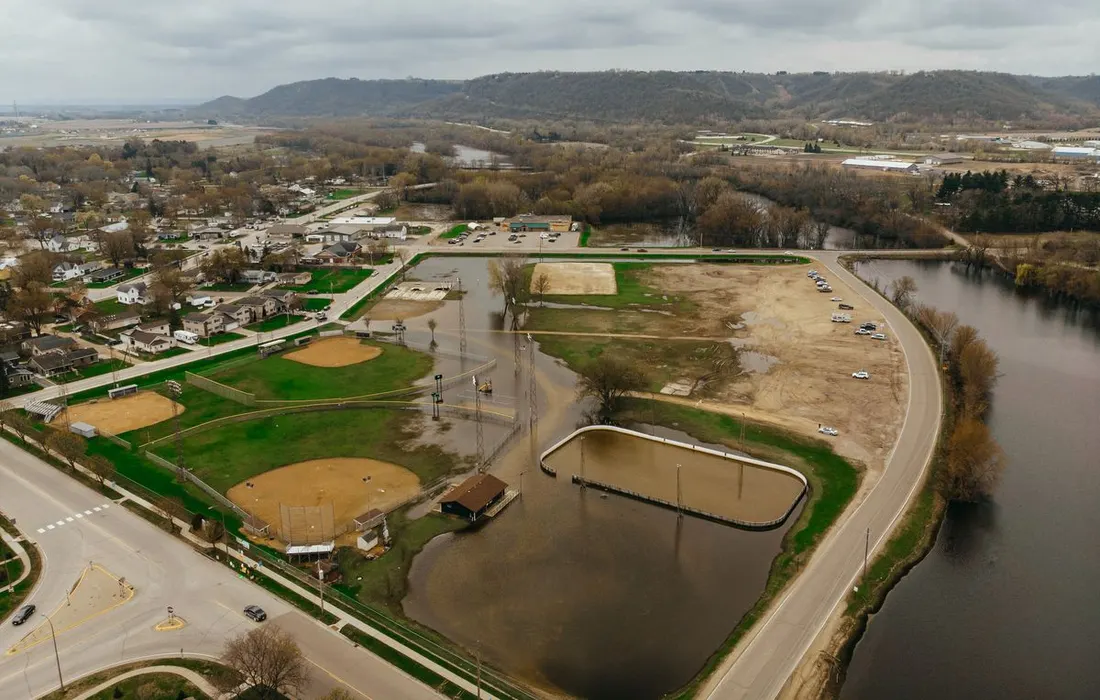
Check the relevant flood sources
Use official maps and guidance to see whether surface water, groundwater, coastal or other risks apply. A river-warning registration alone may not cover every source. Read what the local service can and cannot warn for. Ask the council about recurring drainage problems rather than assuming there is no risk because neighbours have not mentioned one.
- Check your route to work or school too.
- Keep the local flood-reporting link.
Notice low storage and access
Think about basements, sunken entrances, underground parking and supplies stored on the floor. The practical question is what becomes hard to reach if water appears. Move irreplaceable documents and essential items to an accessible safer position in ordinary conditions, avoiding heavy boxes that could fall or block a route.
- Do not use an underground space as storm shelter.
- Keep departure essentials near a usable exit.
Respond to conditions safely
If water begins collecting, do not enter it to investigate a drain or estimate depth. It can hide holes and contamination. Follow local instructions and road closures, and seek assistance early if your home's layout makes leaving difficult. Property protection is secondary to getting people and pets to safety.
- Avoid flooded underpasses and car parks.
- Report hazards without approaching them.
Reader comments
What has helped your household? Share practical experience or ask a question. No account or email needed.
Names are unverified. Comments are readers' views, not official advice. Please avoid personal details, medical instructions, promotions and conspiracy claims. Comment policy & privacy
Loading comments.
Leave a comment
Report a comment or request removal