
Flood messages are intended to prompt action, but warning arrangements vary across the UK. Read the issuing agency's explanation for your location and use the complete message rather than its label alone.
Understand the message
In systems using these terms, an alert indicates possible flooding, a warning indicates expected flooding requiring action, and a severe warning signals danger to life. Coverage and geographical scale differ. Check the named area, timing and instructions. Do not wait for a particular label if emergency services tell you to leave.
- Use the official agency's current page.
- Keep the message's update time visible.
Attach household actions
At an early notice, check contacts, essential supplies and whether anyone needs help moving. When flooding is expected, follow your plan while tasks remain safe. Protecting possessions must stop before it delays escape or exposes anyone to floodwater. Tell support services early if assistance is needed.
- Keep keys and the departure bag reachable.
- Recheck transport and local authority information.
Allow for unannounced local flooding
Not every flood source has a property-level warning service. Sudden surface water and small watercourses can cause local problems quickly. Keep aware of conditions and official local messages without going out to inspect. Never walk, cycle or drive through floodwater to test a route or reach a supposedly safer place.
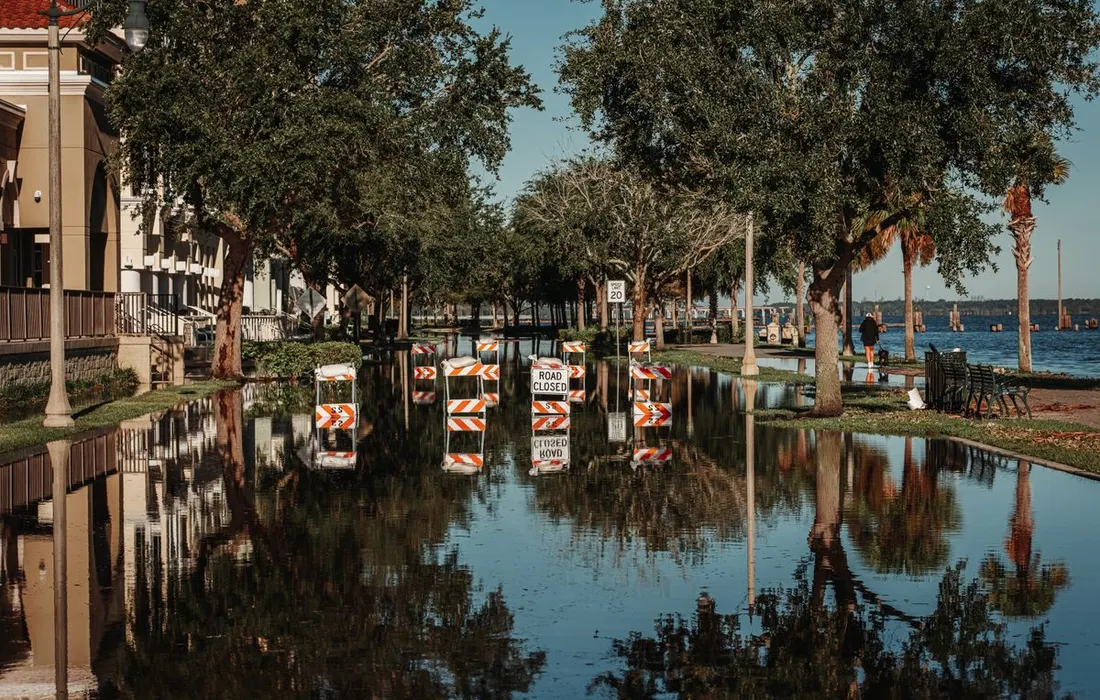
- Respect road closures immediately.
- Use emergency services for immediate danger.
Reader comments
What has helped your household? Share practical experience or ask a question. No account or email needed.
Names are unverified. Comments are readers' views, not official advice. Please avoid personal details, medical instructions, promotions and conspiracy claims. Comment policy & privacy
Loading comments.
Leave a comment
Report a comment or request removal