
A care alarm can depend on more than the pendant itself. The base unit, phone connection, mobile coverage and response process may all matter. Ask the provider about the complete service so your household plan does not rely on an untested assumption.
Describe your actual setup
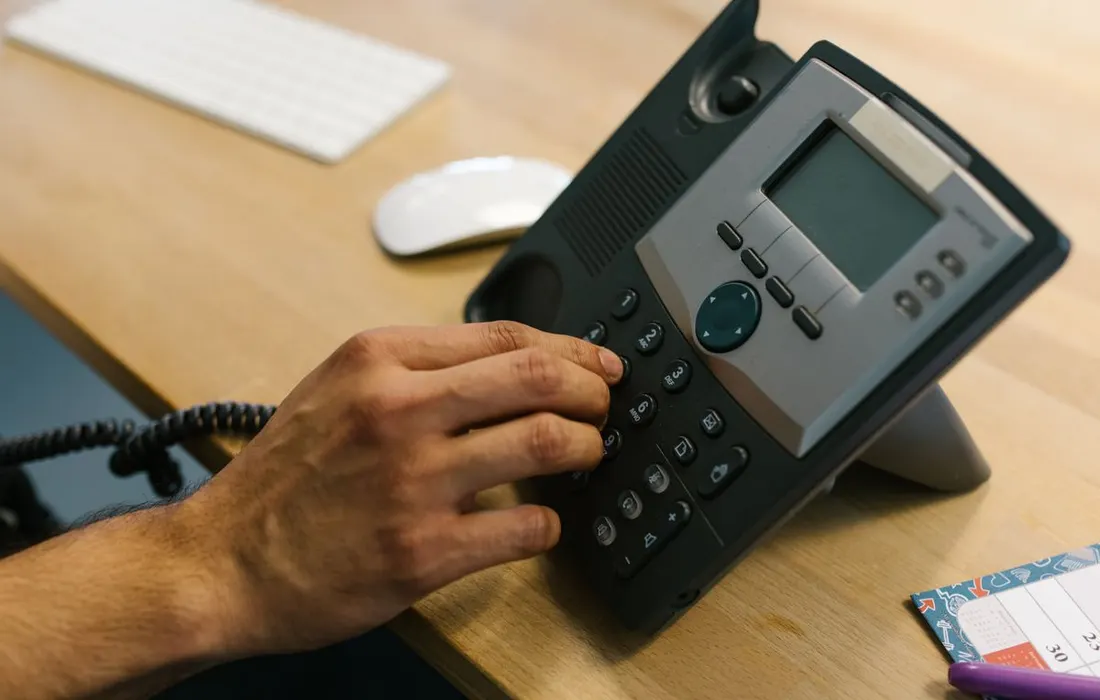
Give the provider the device model and explain whether the home telephone or broadband service is changing. Ask how the alarm connects, which components need electricity and whether the service has its own battery. Do not unplug equipment to conduct an improvised test unless the provider has given an appropriate safe procedure.
- Keep the provider's current instructions with the plan.
Ask about failure and escalation
Find out how you will know the service is unavailable and who to contact if it stops working. Ask what the provider recommends for a longer outage and whether a nominated responder's details need updating. A product's advertised battery life is not a guarantee that every part of the response chain will remain available.
- Record a separate support number in readable print.
Agree a human backup
Discuss a consent-based check-in with the person using the alarm and trusted supporters. Be clear about what a missed response means and what to do next. Neighbours should not be expected to replace clinical or personal care. Review the plan after equipment changes, a house move or a change to the person's support needs.
- Tell both telecoms and alarm providers about relevant changes.
Reader comments
What has helped your household? Share practical experience or ask a question. No account or email needed.
Names are unverified. Comments are readers' views, not official advice. Please avoid personal details, medical instructions, promotions and conspiracy claims. Comment policy & privacy
Loading comments.
Leave a comment
Report a comment or request removal