
A quieter street does not necessarily mean every hazard has passed. Your first assessment after a storm should help you identify who needs contacting while keeping you away from unstable damage.
Start from a safe position
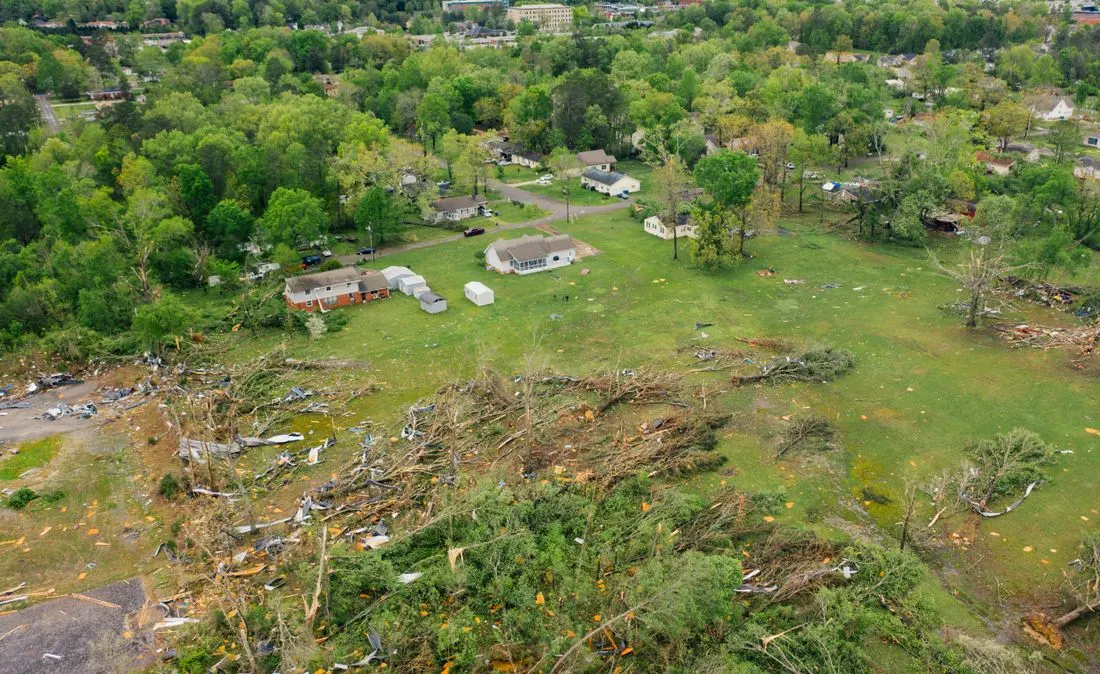
Check official warnings and any local restrictions before going outside. Look through windows or from a sheltered position where possible. Watch for hanging branches, loose roof materials, damaged walls and fallen cables. Do not approach a cable to decide whether it is live or move it out of the way.
- Keep children and pets away from damaged areas.
- Follow barriers and closure signs.
Record what you can safely see
Take photographs without climbing, entering damaged rooms or standing beneath questionable structures. Note the approximate time and what happened. Keep emergency repair receipts where relevant and contact your insurer or landlord for their process. An image from a safe distance is more useful than an injury caused by a closer inspection.
- Avoid sharing address details in public posts.
- Make a list of affected rooms or belongings.
Arrange the right help
Use qualified contractors for roof, tree, gas and electrical concerns. Tell them about any known access hazards. If there is immediate danger, use emergency services rather than waiting for an ordinary repair appointment. Do not accept pressure from unsolicited callers who insist that urgent cash work is the only option.
- Verify a contractor through independent details.
- Keep temporary repairs within your competence.
Reader comments
What has helped your household? Share practical experience or ask a question. No account or email needed.
Names are unverified. Comments are readers' views, not official advice. Please avoid personal details, medical instructions, promotions and conspiracy claims. Comment policy & privacy
Loading comments.
Leave a comment
Report a comment or request removal