
Two named storms in quick succession are a useful reminder to check an ordinary household plan. This briefing describes the position on 24 October 2026. It is not a live warning: use the official forecast and warning pages for your location before making travel or safety decisions.
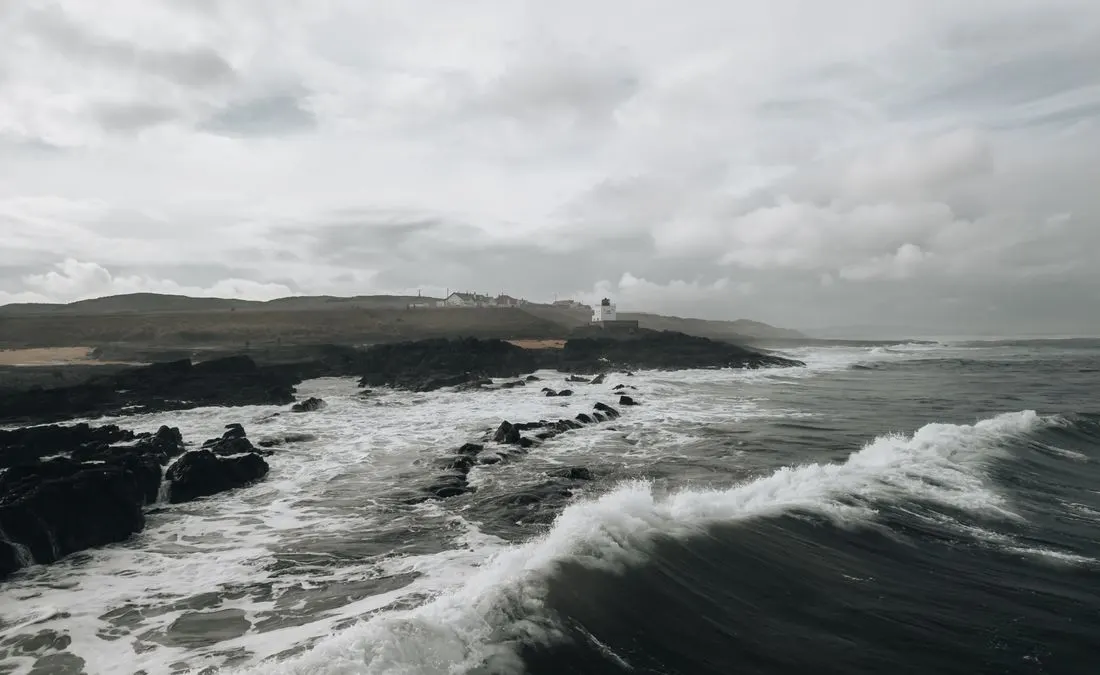
What is confirmed, and what still needs checking
The Met Office's storm centre lists Austen as named on 20 October and Boelo on 22 October. That does not mean both had already passed everywhere by 24 October. Met Eireann described Austen's passage from Thursday into Friday and further unsettled weekend weather. Boelo is part of the weekend picture, so timing and impacts depend on where you are.
Read the full warning for your area: affected places, start and end times, expected impacts and recommended actions. A national headline cannot tell you whether your particular road, school or electricity supply will be affected.
- Open the current Met Office warning map, or Met Eireann if you are in Ireland.
- Check the relevant flood authority as well as the wind forecast.
- Recheck transport and school updates before setting out; do not rely on a screenshot from yesterday.
Make the next hour useful
If conditions are still safe, gather the items that make an interrupted evening manageable. A tested torch, a charged phone and a paper contact list are immediately useful. Keep a battery radio available in case broadband or mobile data becomes unreliable.
Review familiar food that can be eaten without cooking, drinking water and household care needs. Use 3 litres of drinking water per person per day as a starter planning baseline, with extra for cooking, washing, medical requirements and pets. Build supplies gradually rather than rushing into panic buying.
- Check how anyone using powered care equipment will get support during an outage.
- Make loose garden items secure only before dangerous conditions arrive and only from safe ground.
- Agree a check-in arrangement with someone who may need help.
Do not let backup plans create new hazards
Battery lighting and no-cook meals keep the plan straightforward. Never bring a barbecue, generator, camping stove or outdoor-only heater inside a home, garage or tent. Keep exits clear and avoid using chargers or extension leads across escape routes.
Stay away from exposed coasts, damaged trees, fallen power lines and floodwater. Do not drive through a flooded road to test whether it is passable. If authorities advise evacuation, follow those instructions rather than staying to protect supplies or possessions.
Where El Nino fits
El Nino is a large-scale climate influence, not a postcode storm forecast. Met Office guidance explains that it can shift the chances of seasonal weather patterns in the UK, with other influences also playing a part. That is different from proving that a particular storm was caused by El Nino or promising a sequence of future storms.
A sensible household response does not require a dramatic prediction. Prepare for the kinds of disruption your location can experience, follow current warnings and update the plan when reliable information changes.
Reader comments
What has helped your household? Share practical experience or ask a question. No account or email needed.
Names are unverified. Comments are readers' views, not official advice. Please avoid personal details, medical instructions, promotions and conspiracy claims. Comment policy & privacy
Loading comments.
Leave a comment
Report a comment or request removal