
A radio can be difficult to use in a hurry if nobody remembers the station name, band or tuning method. A listening card turns a successful test into a repeatable household routine without relying on an internet stream.
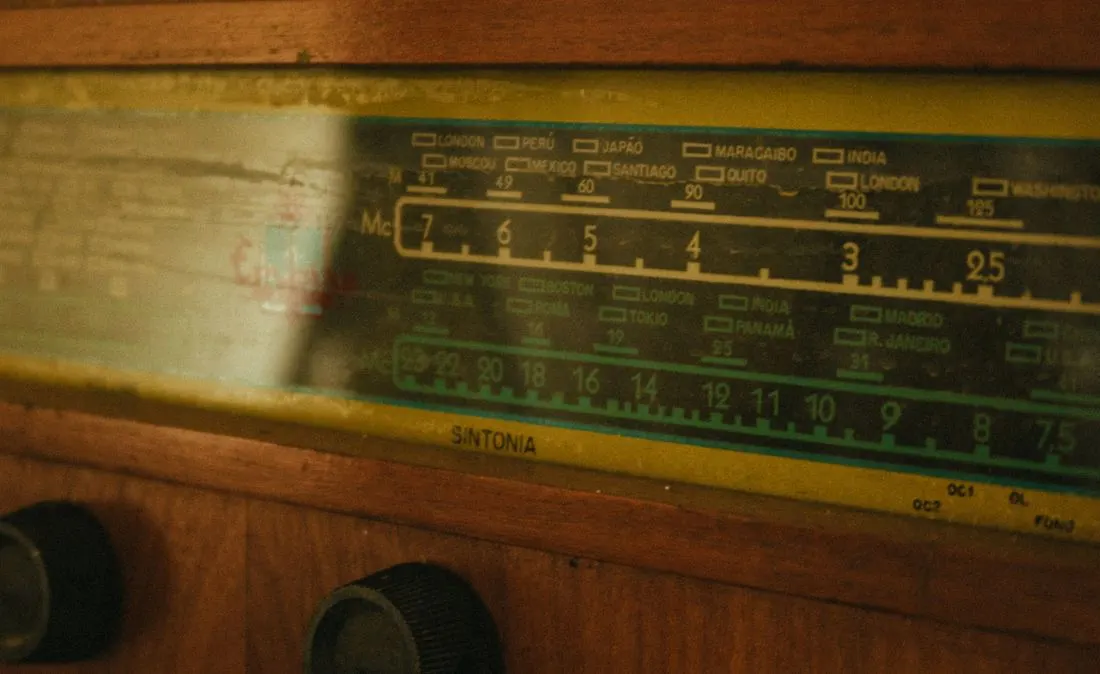
Start with an actual listening test
Use the radio and location you would use during a power cut. Tune a suitable local news service and a national alternative, then record the station name and how to find it on that device. Reception varies by place and equipment, so do not copy an untested list of frequencies from another part of the country.
- Note whether the station is on FM, AM or DAB.
Write instructions for the next person
A short sequence such as switching the correct band and selecting a saved preset may be enough. Include which batteries the radio uses and where spares are kept. Avoid covering labels or blocking ventilation with a taped note. Keep a large-print version or another accessible format if someone in the household needs it.
- Show another adult how to use the card.
Use broadcasts alongside official instructions
Listening provides information, but a national report may not describe your street's conditions. Follow local emergency service and authority directions and the specific timing of any warning. Refresh the card when stations, devices or reception change. The aim is useful information at sensible intervals, not leaving a radio running continuously without purpose.
- Check the card during ordinary household supply reviews.
Reader comments
What has helped your household? Share practical experience or ask a question. No account or email needed.
Names are unverified. Comments are readers' views, not official advice. Please avoid personal details, medical instructions, promotions and conspiracy claims. Comment policy & privacy
Loading comments.
Leave a comment
Report a comment or request removal