
Cold weather can disrupt normal walks, deliveries and access to veterinary care. Build a practical plan around your animal's usual needs and ask the vet about any condition that makes the cold more difficult.
Check the ordinary supplies
Keep familiar food, drinking water, prescribed medicines and the equipment used for daily care. A modest reserve built gradually is more useful than unfamiliar emergency products. Follow storage instructions rather than leaving medicines or water where they may freeze. Include contact details for the veterinary practice and its out-of-hours arrangements.
- Check the carrier or lead is accessible.
- Keep identification details up to date.
Adjust the routine safely
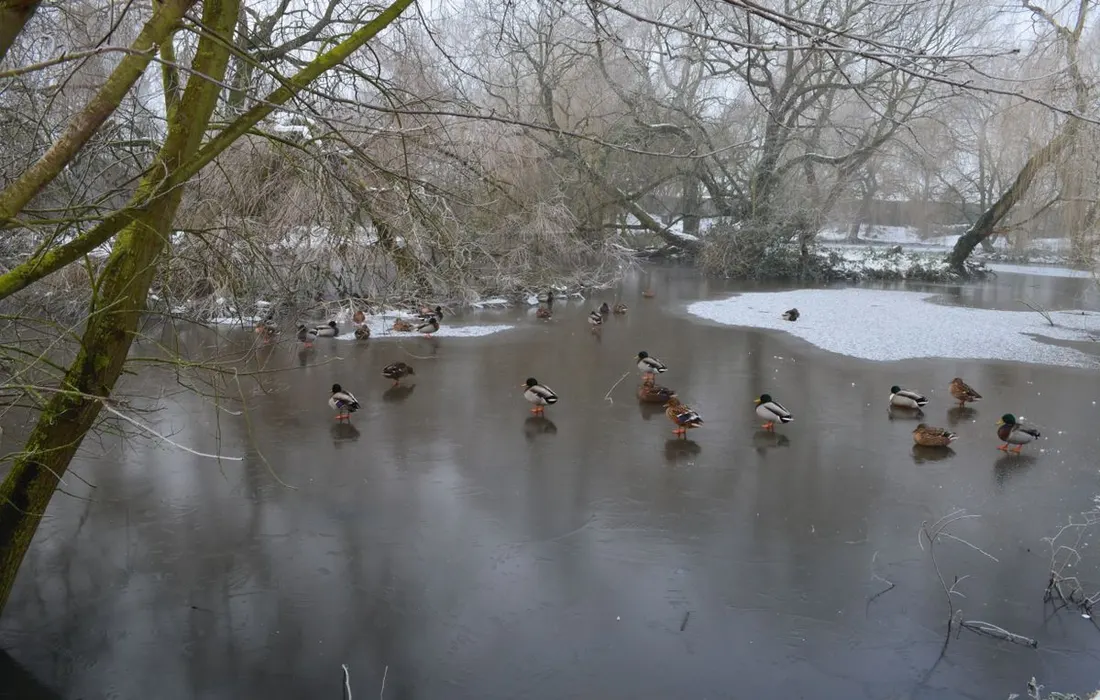
Review outdoor access using local conditions and the animal's needs. Avoid frozen ponds, floodwater and exposed routes in severe weather. Keep animals away from grit and other products according to their labels and veterinary advice. If you cannot safely complete a normal task, ask for suitable help rather than taking a risky journey.
- Have a familiar indoor resting space.
- Keep wet or muddy equipment from blocking exits.
Plan for heating disruption
If a power cut affects temperature-sensitive housing or equipment, ask the relevant specialist or vet about an approved fallback before winter. Do not improvise heating or bring outdoor combustion equipment indoors. If you need to relocate, confirm the destination can accept the animal and maintain its care. Prioritise safe movement over collecting bulky belongings.
- Write care instructions for a trusted helper.
- Review plans after a change in the animal's health.
Reader comments
What has helped your household? Share practical experience or ask a question. No account or email needed.
Names are unverified. Comments are readers' views, not official advice. Please avoid personal details, medical instructions, promotions and conspiracy claims. Comment policy & privacy
Loading comments.
Leave a comment
Report a comment or request removal