
A charged phone is useful for more than calls: it may hold travel details, care information and official warnings. During a power cut, a simple set of priorities can preserve useful access without making exaggerated promises about how long a battery will last.
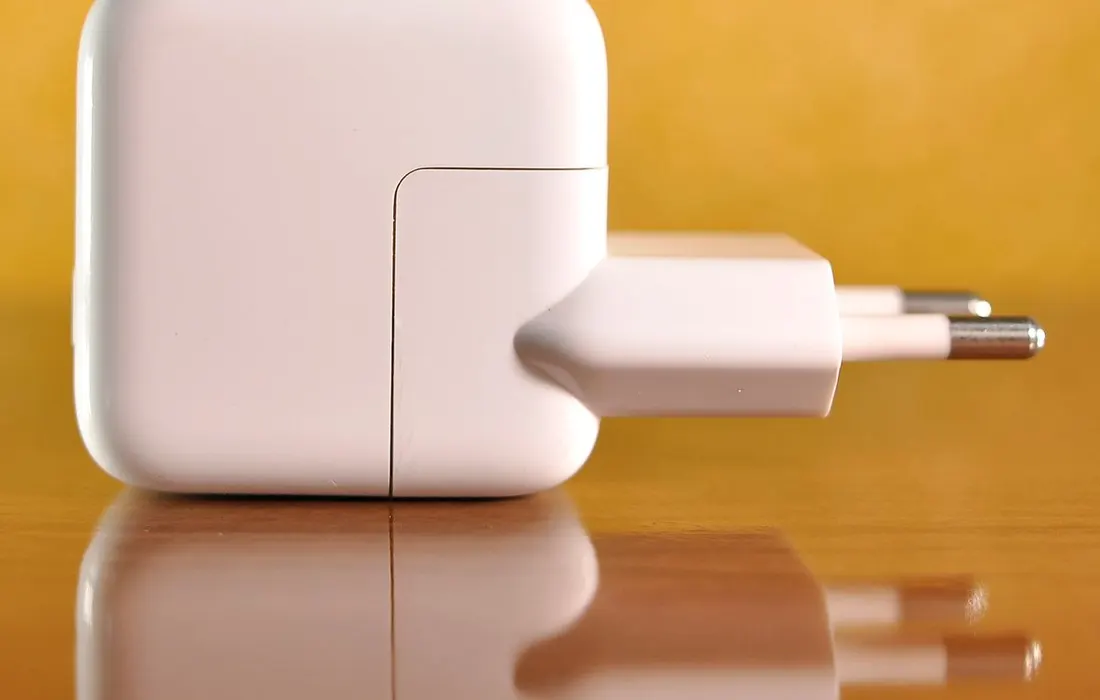
Prepare charging before disruption
Check your power bank and cable with the actual phone, and keep them where they are easy to find. Capacity labels alone do not tell you exactly how many charges your handset will receive. Follow manufacturer instructions, keep damaged batteries out of use and do not improvise connections to an unsuitable power source.
- Include the correct connector for each essential device.
Choose the important tasks
Agree which contacts and information you need first, then avoid unnecessary streaming or repeated scrolling. Use the handset's supported power-saving settings as appropriate. Keep in mind that some settings affect connectivity or notifications, so understand them before relying on them. A paper contact sheet reduces the need to repeatedly unlock the device.
- Write down the next planned household check-in time.
Keep a route that does not need the phone
Use a battery radio, printed instructions or an agreed trusted contact as another information path. Do not treat a power bank as a guarantee of mobile coverage; the network can be affected too. If equipment is medically important, obtain a dedicated provider-approved plan rather than relying on the phone's spare charging supply.
- Recharge and inspect the kit after it is used.
Reader comments
What has helped your household? Share practical experience or ask a question. No account or email needed.
Names are unverified. Comments are readers' views, not official advice. Please avoid personal details, medical instructions, promotions and conspiracy claims. Comment policy & privacy
Loading comments.
Leave a comment
Report a comment or request removal