
A car may be replaceable; the person moving it is not. If your usual parking area has flood risk, decide in advance where the vehicle could go while roads and access remain safe.
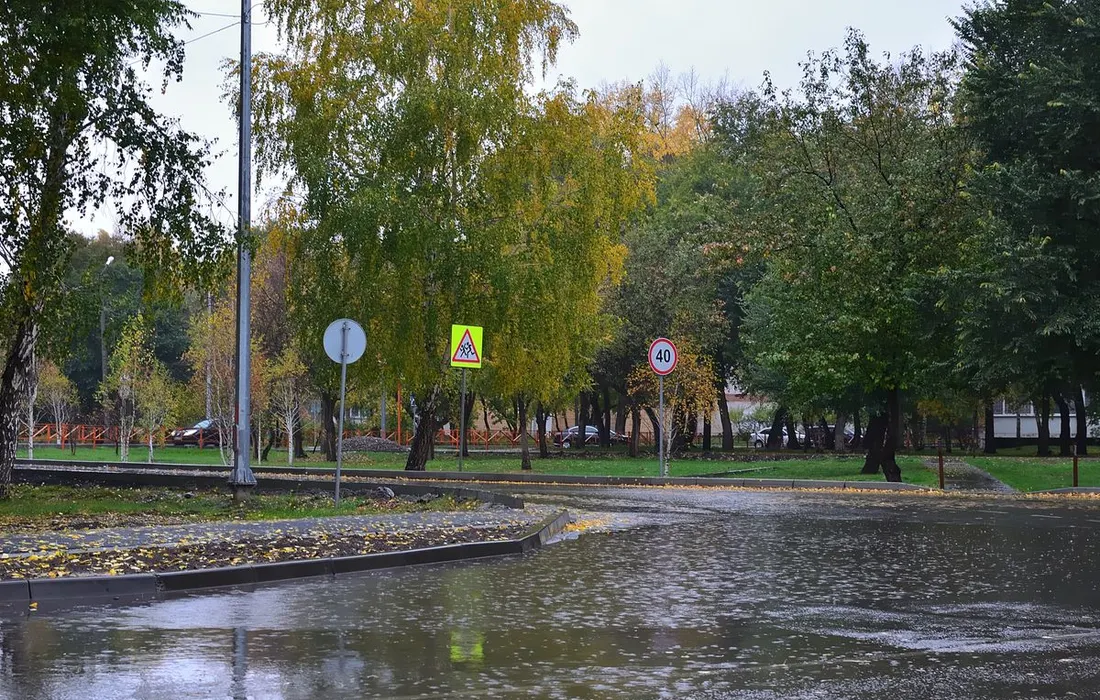
Choose a lawful alternative
Check official flood information for the parking place and nearby routes. Identify an alternative that is legal, accessible and does not obstruct emergency vehicles or other residents. Ask permission where needed. Do not rely on underground parking or an unfamiliar track as a safe option without checking the setting.
- Keep keys where they can be found quickly.
- Consider how you will return home safely.
Use an early trigger
Make the decision while there is time, using the warning and local advice. Coordinate with anyone who depends on the vehicle, including carers or another household member. If you are away, agree what a trusted person is authorised and able to do. Never ask someone to take a risk to protect your property.
- Tell the household where the car has moved.
- Keep necessary medication out of the parked vehicle.
Stop when water or danger appears
Do not walk or drive through floodwater to move the car. Follow road closures even if the route looks familiar. If the vehicle has been flooded, seek insurer and qualified professional advice before attempting to use it. Leave possessions behind when retrieving them would expose you to contamination or electrical hazards.
- Avoid floodwater at any apparent depth.
- Follow emergency instructions over your parking plan.
Reader comments
What has helped your household? Share practical experience or ask a question. No account or email needed.
Names are unverified. Comments are readers' views, not official advice. Please avoid personal details, medical instructions, promotions and conspiracy claims. Comment policy & privacy
Loading comments.
Leave a comment
Report a comment or request removal