
A lost phone can remove contacts, tickets, maps and account security tools at once. Preparing for that ordinary failure is useful during any disruption. The aim is a secure alternative path, not switching off security or carrying an exposed list of passwords.
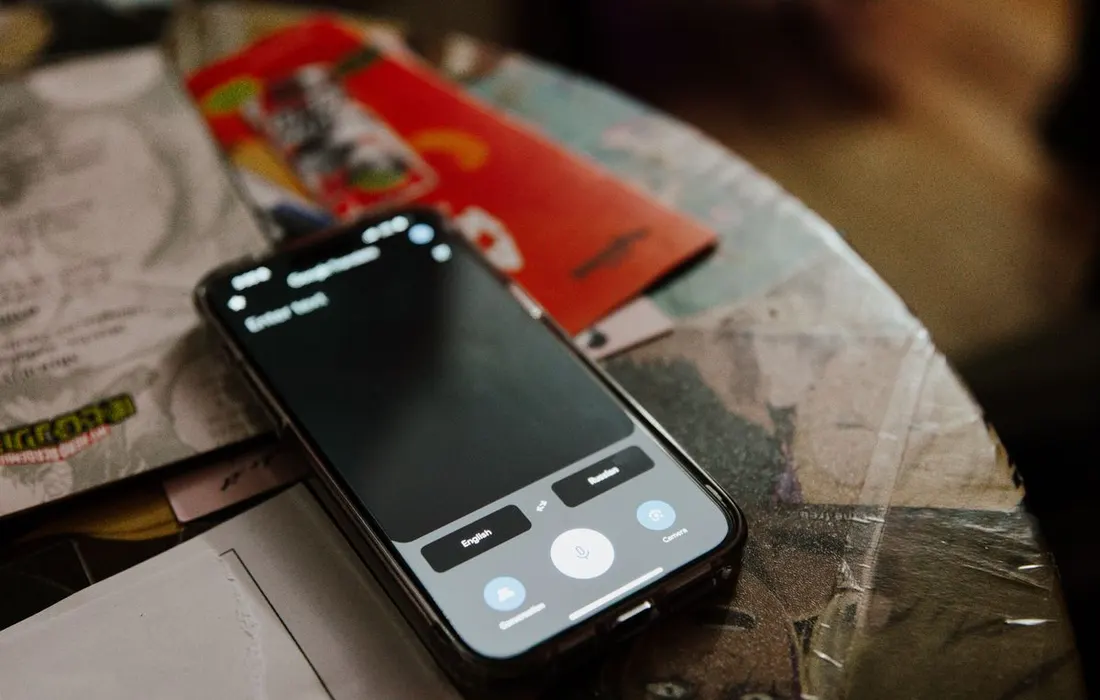
Identify what only the phone can access
List essential tasks such as contacting family, finding accommodation details and reaching your insurer. Save the minimum necessary information in another appropriate place, including a paper contact sheet. Think about whether an account login requires the missing handset, and use the provider's supported recovery arrangements while you still have access.
- Keep recovery information secure and separate from the handset.
Prepare another way to communicate
Agree which trusted person you would contact and how to reach them from another phone. Memorising one useful number can help, but do not make memory the sole solution. If travelling, keep your accommodation address and travel assistance details available outside the handset so a flat battery does not become a navigation crisis.
- Tell a trusted contact how to recognise a genuine request from you.
Use official recovery instructions
If the phone is lost, follow the mobile provider, device maker and relevant account providers' own procedures. Be wary of messages claiming someone has found the device and asking for a security code or payment. Restore access methodically, then update the household plan where contact or authentication arrangements have changed.
- Check backups before relying on them for recovery.
Reader comments
What has helped your household? Share practical experience or ask a question. No account or email needed.
Names are unverified. Comments are readers' views, not official advice. Please avoid personal details, medical instructions, promotions and conspiracy claims. Comment policy & privacy
Loading comments.
Leave a comment
Report a comment or request removal