
Flooding can affect food directly, damage packaging and interrupt refrigeration. Keep food decisions separate from the understandable wish to save belongings, and follow current food-safety and local water advice.
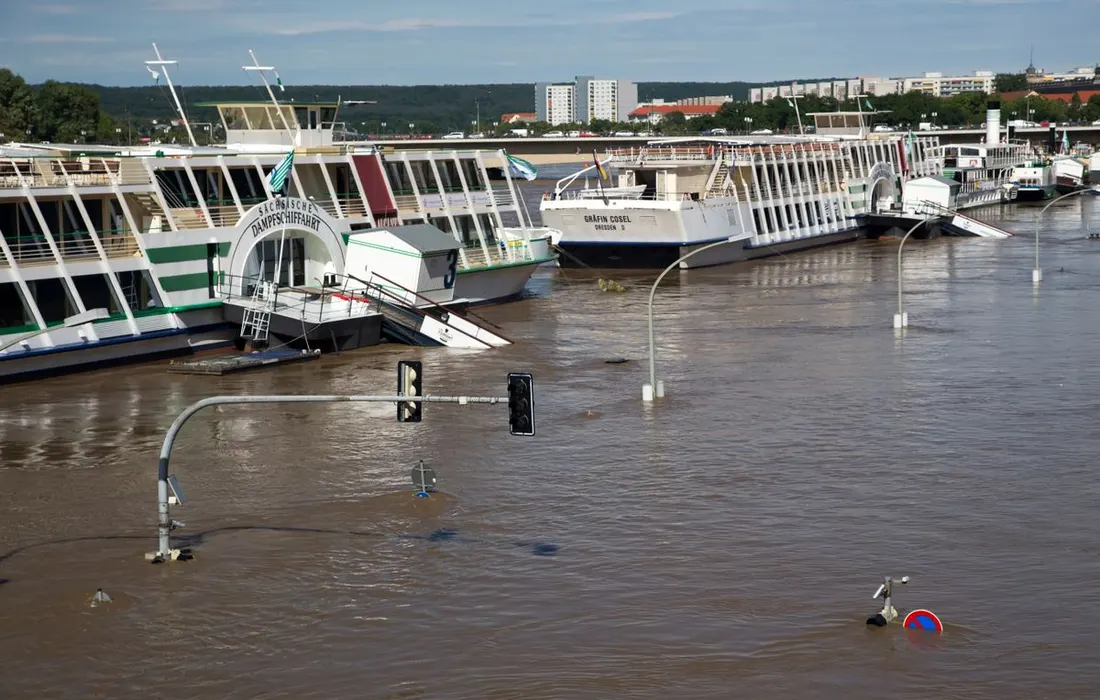
Separate untouched supplies
Do not eat food that has been in contact with floodwater or sewage. Keep unaffected supplies away from contaminated surfaces, packaging and cleaning equipment. If you cannot tell whether an item was affected, seek food-safety advice rather than tasting it. Record losses safely for an insurance claim where relevant.
- Keep children away from damaged food.
- Avoid transferring dirty packaging onto clean worktops.
Review refrigeration independently
A power interruption can make perishable food unsafe even in a dry room. Follow the current Food Standards Agency guidance for the circumstances, including outage duration and food temperature where known. Do not turn on a flood-affected fridge or freezer until it has been professionally checked. A normal smell is not a safety test.
- Keep a note of when power stopped.
- Use unaffected shelf-stable food while seeking advice.
Restart food preparation carefully
Check the water company's instructions and use a safe clean preparation area. Follow official cleaning guidance and product labels, and never mix cleaning chemicals. Get local environmental-health advice if you prepare food for others commercially. Rebuild ordinary food stocks gradually once storage and the water supply are suitable.
- Wash hands using a safe water supply.
- Keep insurance evidence without keeping dangerous food in use.
Reader comments
What has helped your household? Share practical experience or ask a question. No account or email needed.
Names are unverified. Comments are readers' views, not official advice. Please avoid personal details, medical instructions, promotions and conspiracy claims. Comment policy & privacy
Loading comments.
Leave a comment
Report a comment or request removal