
You can make a useful emergency plan without buying a smartphone. The important question is how you will receive reliable information and ask for help if ordinary phone or travel arrangements are interrupted. Choose practical tools that fit your daily life.
Build a small information set
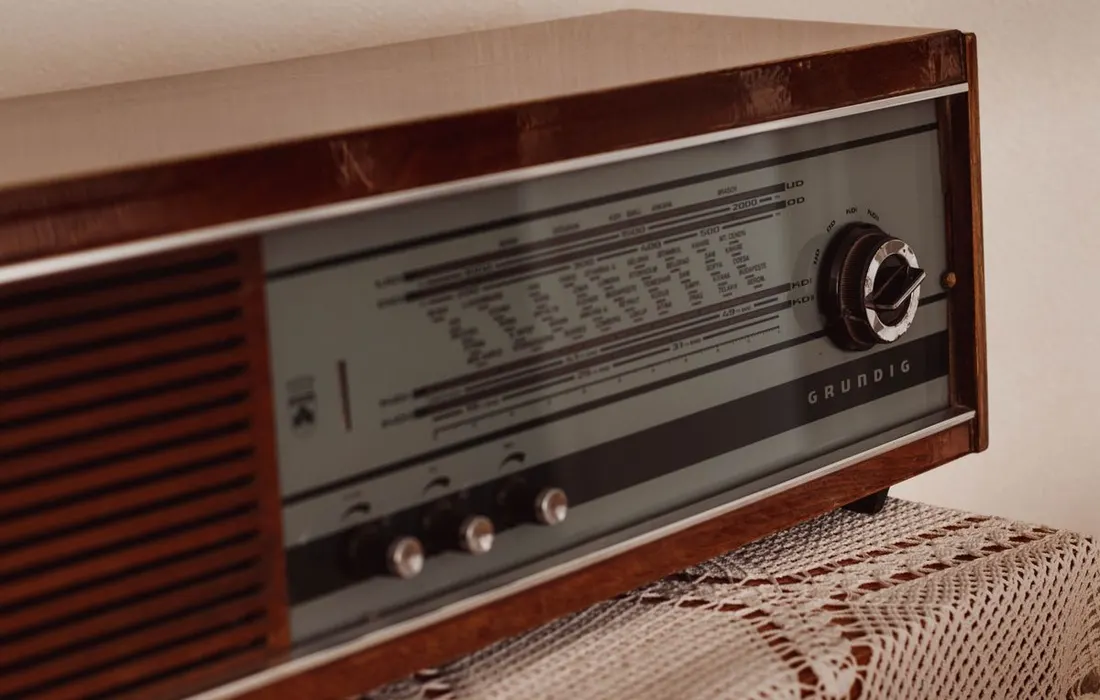
Keep readable phone numbers for trusted people, utilities, building support and relevant care providers. Add the household's meeting arrangements and any essential instructions. Use official paperwork to verify service contacts, and keep sensitive personal details separate. A small radio you already know how to use may provide another route to information.
- Write down a station you can receive at home.
Check your existing telephone
Ask your provider whether the landline needs mains electricity and what backup is appropriate if you rely on it. A basic mobile may be useful, but check its actual capabilities and coverage rather than assuming it supports every warning service. Do not let a device purchase replace a conversation about your specific support needs.
- Keep the provider's advice in writing.
Agree a trusted check-in
Choose someone who can pass on important local instructions or check you are safe when conditions allow. Set realistic limits: they should not travel through floodwater or ignore emergency directions to reach you. Review the arrangement when contact details or health needs change, and keep essential information in a format you can use independently.
- Tell the contact how and when you will try to reach them.
Reader comments
What has helped your household? Share practical experience or ask a question. No account or email needed.
Names are unverified. Comments are readers' views, not official advice. Please avoid personal details, medical instructions, promotions and conspiracy claims. Comment policy & privacy
Loading comments.
Leave a comment
Report a comment or request removal