
A physical noticeboard can complement online messages when power or mobile access is limited. It works best as a small, clearly owned source of verified local information, with dated notices and no sensitive list of people who need help.
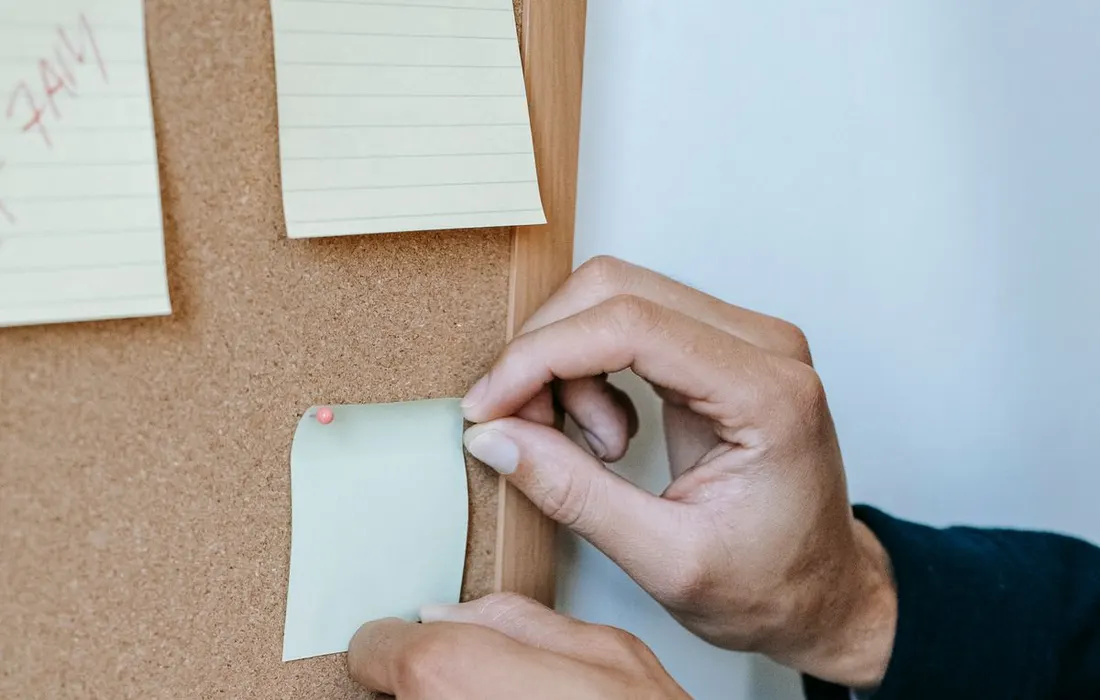
Agree ownership and permission
Ask the building manager, venue or community group before posting information. Decide who may update the board and which official sources they will use. It should not look like an emergency service instruction unless that is genuinely its source. Keep access safe and do not encourage people to travel into hazardous conditions to read it.
- Use a location people can reach without blocking exits.
Make each notice specific
Include the date, time, source and practical action. A notice might point to an official council update or explain a community group's confirmed opening arrangements. Avoid vague claims about roads being safe or supplies being guaranteed. Provide an appropriate contact route without displaying private home addresses, medical details or access codes.
- Use clear print and an accessible layout.
Remove stale information
Outdated notices can cause unnecessary journeys or missed support. Give time-sensitive information an expiry or review time and remove it when replaced. Keep an equivalent communication route for people who cannot reach or read the board. After the incident, record what was useful and remove personal information that no longer has a purpose.
- Correct an inaccurate notice promptly and visibly.
Reader comments
What has helped your household? Share practical experience or ask a question. No account or email needed.
Names are unverified. Comments are readers' views, not official advice. Please avoid personal details, medical instructions, promotions and conspiracy claims. Comment policy & privacy
Loading comments.
Leave a comment
Report a comment or request removal