
A useful emergency radio is one you can tune, hear and power where you live. Many households can begin with a radio they already own. Extra features are worthwhile only if they solve a real problem and do not make basic listening harder.
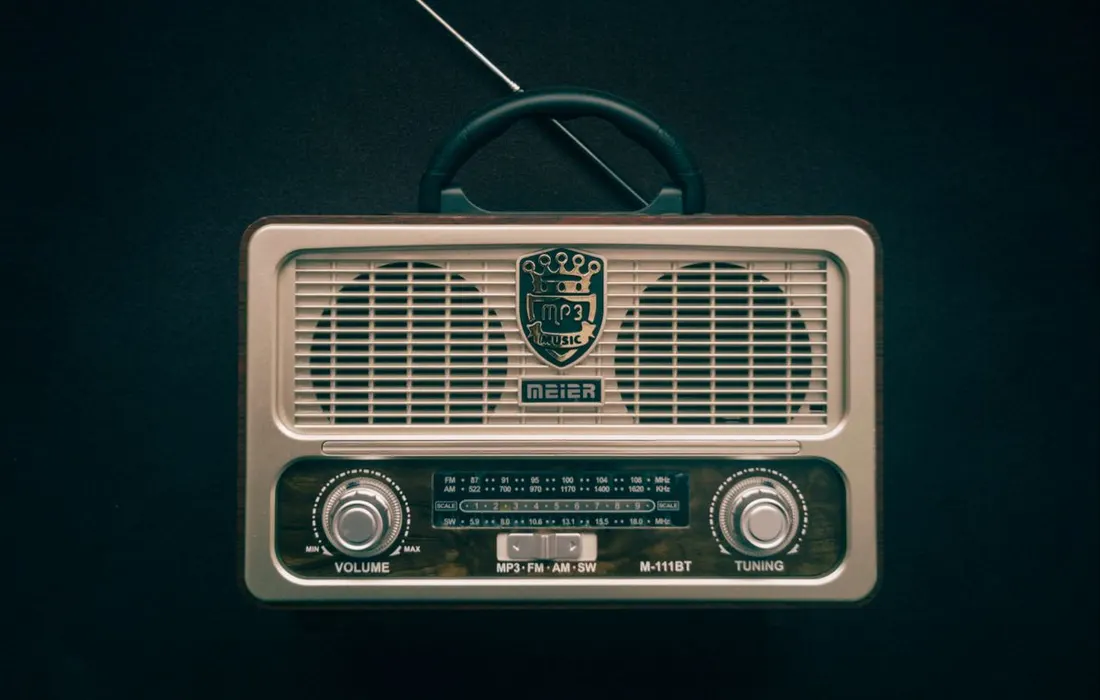
Test reception before upgrading
Try relevant local and national stations in the room where you would normally wait during disruption. Buildings and local coverage affect reception, so a promising specification cannot guarantee a clear signal at your address. Check the bands supported and the broadcaster's current availability rather than assuming every advertised station can be received everywhere.
- Write down the stations you can actually receive.
Compare practical power arrangements
Look for a straightforward battery option and understand any charging requirements. A wind-up or solar feature may be useful, but its performance depends on the model and conditions; do not assume it can power the radio indefinitely without effort or adequate light. Check instructions, battery type and replacement availability before buying.
- Store compatible spare batteries according to the manufacturer's guidance.
Check who will operate it
Try the controls, display, volume and headphone socket if one is needed. Someone with sight, hearing or dexterity needs may prefer a simpler design to a feature-heavy model. Keep the instructions with the radio and practise using it before an outage, so tuning does not become another task to learn under pressure.
- Keep it somewhere accessible rather than at the bottom of a kit.
Reader comments
What has helped your household? Share practical experience or ask a question. No account or email needed.
Names are unverified. Comments are readers' views, not official advice. Please avoid personal details, medical instructions, promotions and conspiracy claims. Comment policy & privacy
Loading comments.
Leave a comment
Report a comment or request removal