
Preparedness can become an endless shopping project because there is always another possible scenario. A stopping point helps keep it useful. Start with a defined period and set of needs, then assess whether your current supplies and arrangements meet them.
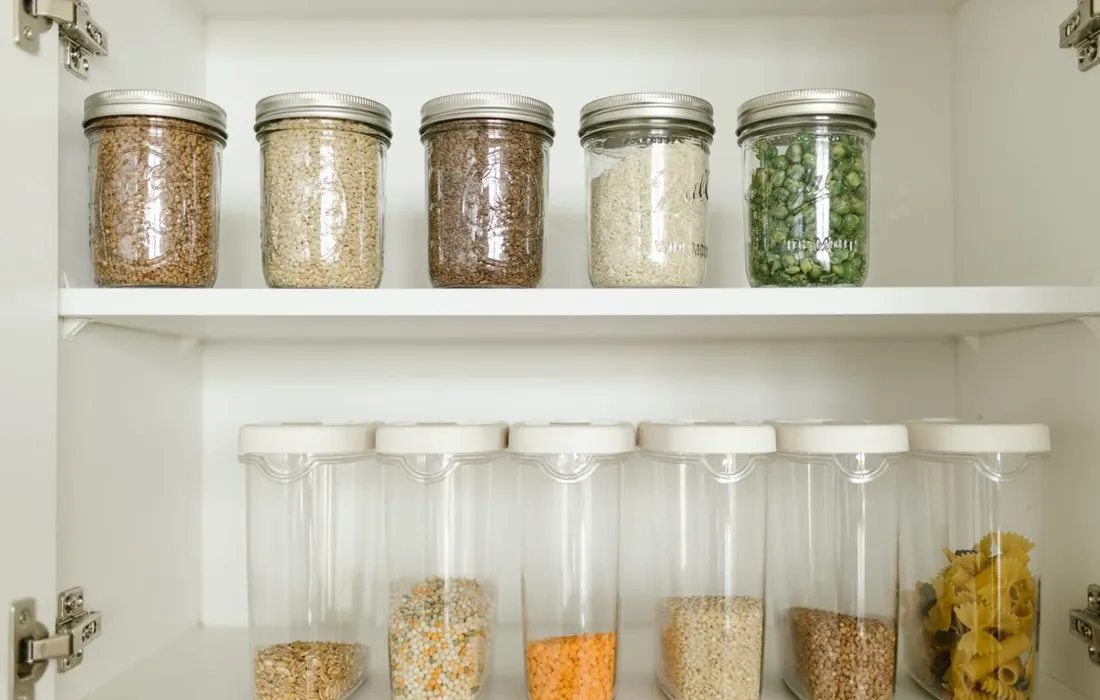
Define a usable baseline
For a first plan, consider three days of household needs, while following local guidance and your circumstances. Include information, drinking water, familiar food, light, warmth, hygiene and personal care. The checklist is incomplete if a crucial item exists but nobody can find or operate it.
- Check actual portions and working equipment.
- Include a way to leave if home becomes unsafe.
Test the remaining uncertainty
Ask whether the problem needs another purchase or a conversation. A care-equipment backup question needs a qualified provider's advice. An unknown meeting point needs agreement. Another knife or torch will not resolve either issue. Check the maintenance workload before adding more devices with different batteries and chargers.
Use a clear pause rule
When the essential gaps are covered, stop buying for a while and use your time to update contacts, rotate food and practise finding items. Keep optional ideas on a separate list and revisit them only if experience shows a need. An actual incident may reveal a useful improvement, but avoid treating every new headline as evidence that the whole plan is inadequate. Preparedness is successful when it supports ordinary life and leaves you able to respond, not when your cupboards keep expanding.
Reader comments
What has helped your household? Share practical experience or ask a question. No account or email needed.
Names are unverified. Comments are readers' views, not official advice. Please avoid personal details, medical instructions, promotions and conspiracy claims. Comment policy & privacy
Loading comments.
Leave a comment
Report a comment or request removal