
A planned water interruption is an opportunity to simplify meals before taps stop working. You do not need a large specialist food order. Start with familiar products already in your cupboard and identify which ones can be used safely with the equipment and water available.
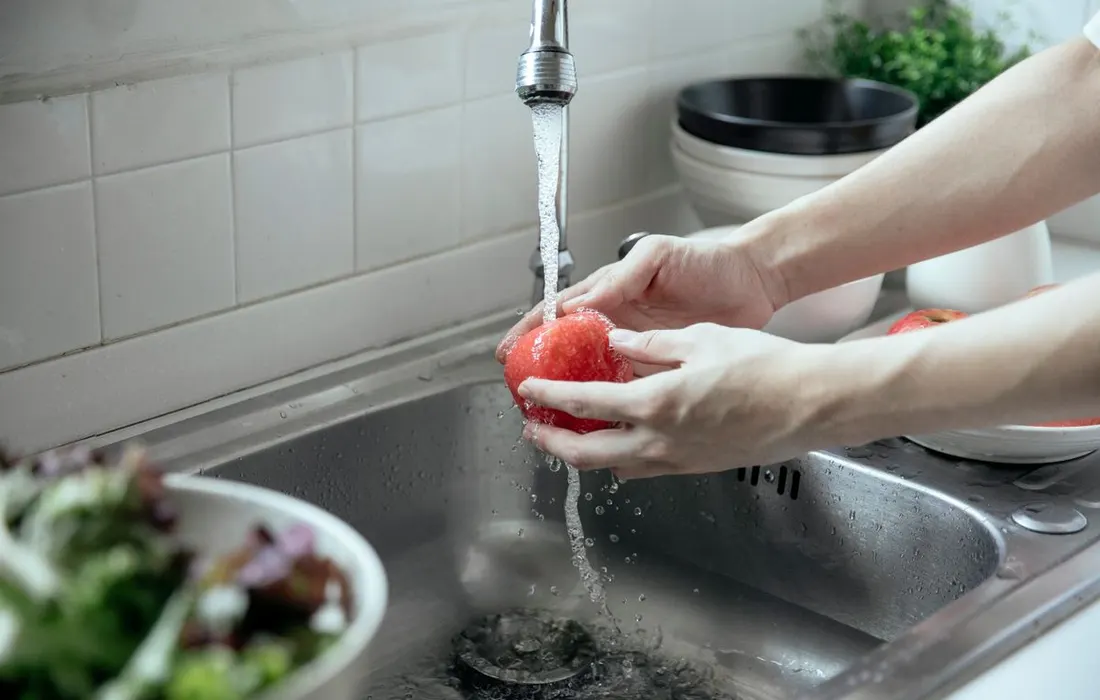
Check every preparation step
A meal may need water for cooking, rinsing ingredients, cleaning utensils and hand hygiene. Read the label rather than assuming all canned or packaged foods are ready to eat. Include any refrigeration needed after opening, especially if the interruption could coincide with a power problem.
- Choose portions that suit the household's appetite.
- Keep the manual opener and clean utensils accessible.
Keep suitable alternatives
A few familiar no-cook options can reduce dependence on water and energy. Account for allergies, dietary needs and what children will actually eat. Avoid buying large amounts of dry staples solely because they store well; they may be awkward to prepare during this particular disruption.
Preserve hygiene standards
Use an approved water source for food-related tasks and follow any supplier notice. Do not wash food equipment with unknown water or assume sanitiser replaces all cleaning. Keep the drinking reserve separate in your calculation, with extra for preparation and hygiene. If an outage lasts longer than planned or affects essential feeding arrangements, contact the relevant provider or care team promptly. Afterward, record which meals were practical so the next plan can be simpler without relying on guesswork or expensive emergency rations.
Reader comments
What has helped your household? Share practical experience or ask a question. No account or email needed.
Names are unverified. Comments are readers' views, not official advice. Please avoid personal details, medical instructions, promotions and conspiracy claims. Comment policy & privacy
Loading comments.
Leave a comment
Report a comment or request removal