
A dry tap can mean a local plumbing problem, planned work or a wider supply interruption. Begin with information and immediate needs. Avoid repeatedly running appliances or changing unfamiliar controls while you are still working out what has happened.
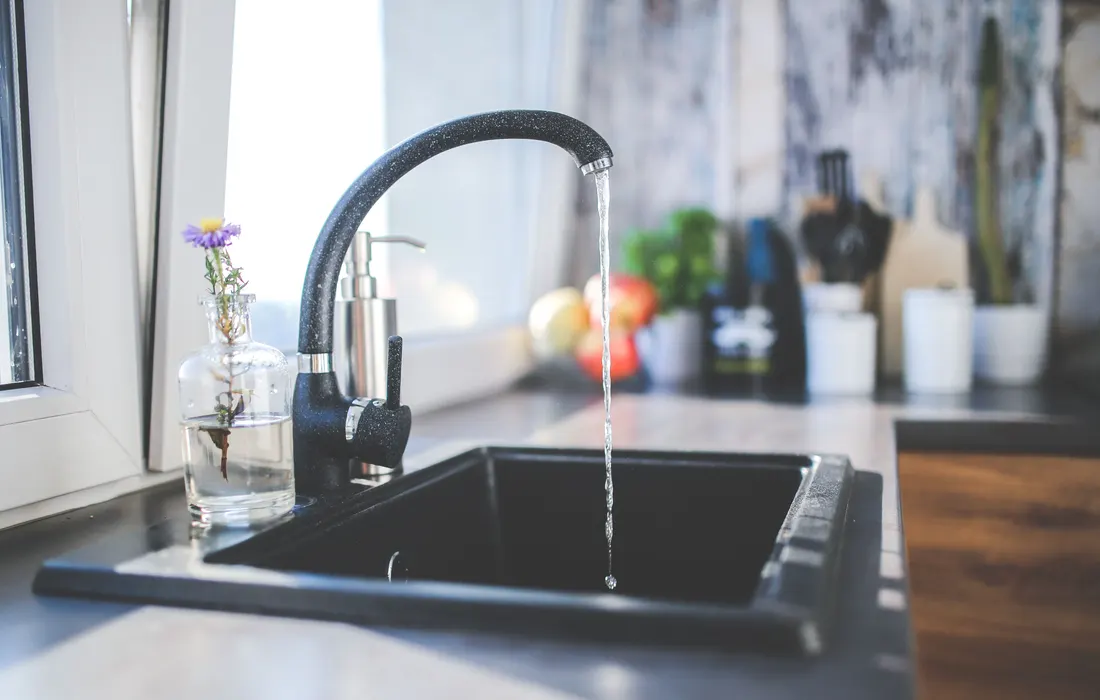
Establish the scope safely
Check whether the cold kitchen tap has water and ask a neighbour, if convenient and safe, whether they are affected. Look at the supplier's official incident page. These checks can help distinguish a building issue from a network problem, but they do not replace professional advice if you see a leak or cannot identify the fault.
- Record when you first noticed the interruption.
- Report the problem through the supplier's published contact route.
Protect essential routines
Use stored drinking water for immediate needs and review food, hygiene and care arrangements. Check appliance manuals or supplier advice before operating equipment that depends on a water supply. If a medical device needs water, follow the contingency agreed with its provider or care team and seek help promptly if that cannot be maintained.
Read notices carefully
A loss of pressure does not tell you whether the water is safe once it returns. Follow any supplier instructions, including restrictions and the steps required after restoration. Do not infer safety from colour or smell alone. Keep an eye on the official update time and plan for uncertainty; an estimated restoration time can change. If collection points or deliveries are announced, confirm the location and accessibility before setting out.
Reader comments
What has helped your household? Share practical experience or ask a question. No account or email needed.
Names are unverified. Comments are readers' views, not official advice. Please avoid personal details, medical instructions, promotions and conspiracy claims. Comment policy & privacy
Loading comments.
Leave a comment
Report a comment or request removal