
A household filter is not a universal emergency water system. Different products are designed for different purposes, from improving taste to treating particular hazards under specified conditions. A filter's presence does not establish that an unknown water source is safe to drink.
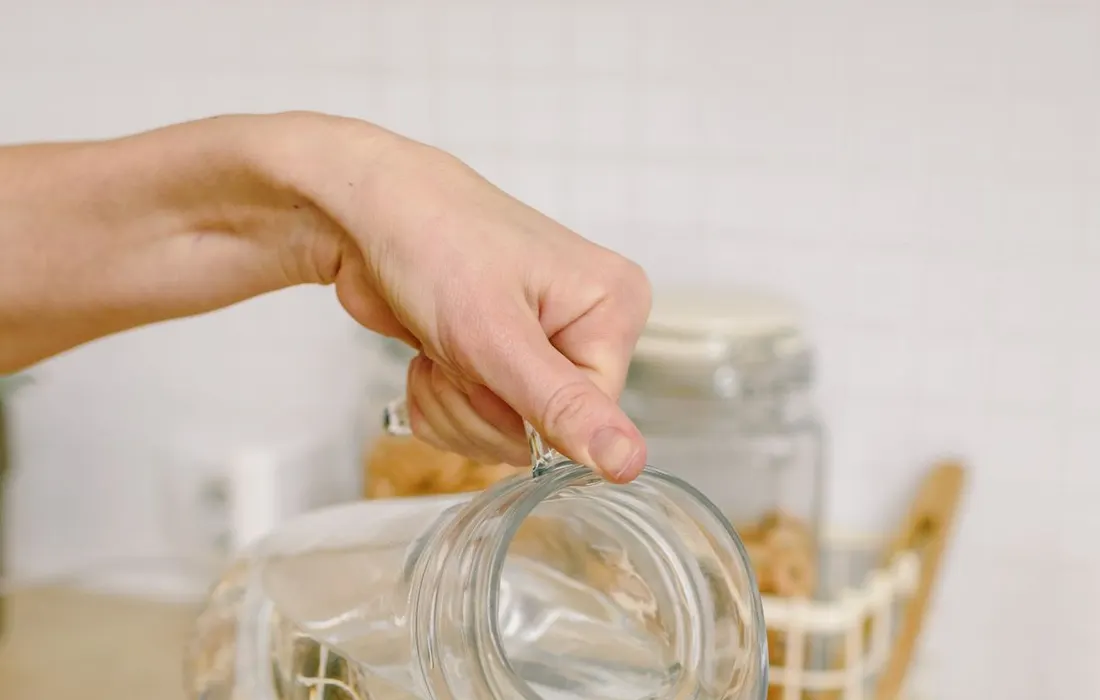
Identify what the product does
Read the manufacturer's documentation for the exact model. Look for the stated contaminants, operating conditions, maintenance and replacement requirements. A taste-improving jug should not be treated as equivalent to equipment intended for a particular outdoor use. Avoid broad claims such as removes everything without supporting specifications.
- Keep instructions available offline if you rely on a device.
- Check cartridge age and required maintenance.
Follow water-company restrictions
A boil-water, do-not-drink or do-not-use notice applies even when water passes through a domestic filter, unless the responsible authority explicitly advises otherwise. Do not use appearance or a better taste as evidence that a restriction has been resolved. Ask the supplier about a specific concern rather than buying equipment in response to a frightening sales pitch.
Keep a simpler first option
For a short household outage, suitable stored drinking water reduces the need to improvise treatment. Plan the amount and safe storage around household needs, with additional water for other uses. If you consider specialist treatment equipment for a real requirement, account for its limits and consumables. Do not collect floodwater, canal water or another unknown source on the assumption that a consumer filter makes it a dependable household drinking supply.
Reader comments
What has helped your household? Share practical experience or ask a question. No account or email needed.
Names are unverified. Comments are readers' views, not official advice. Please avoid personal details, medical instructions, promotions and conspiracy claims. Comment policy & privacy
Loading comments.
Leave a comment
Report a comment or request removal