
Three days is a useful first planning period because it gives households a concrete starting point. It is not a promise that every emergency ends on the fourth morning or that every person can manage with identical supplies. The plan should fit your situation and official local guidance.
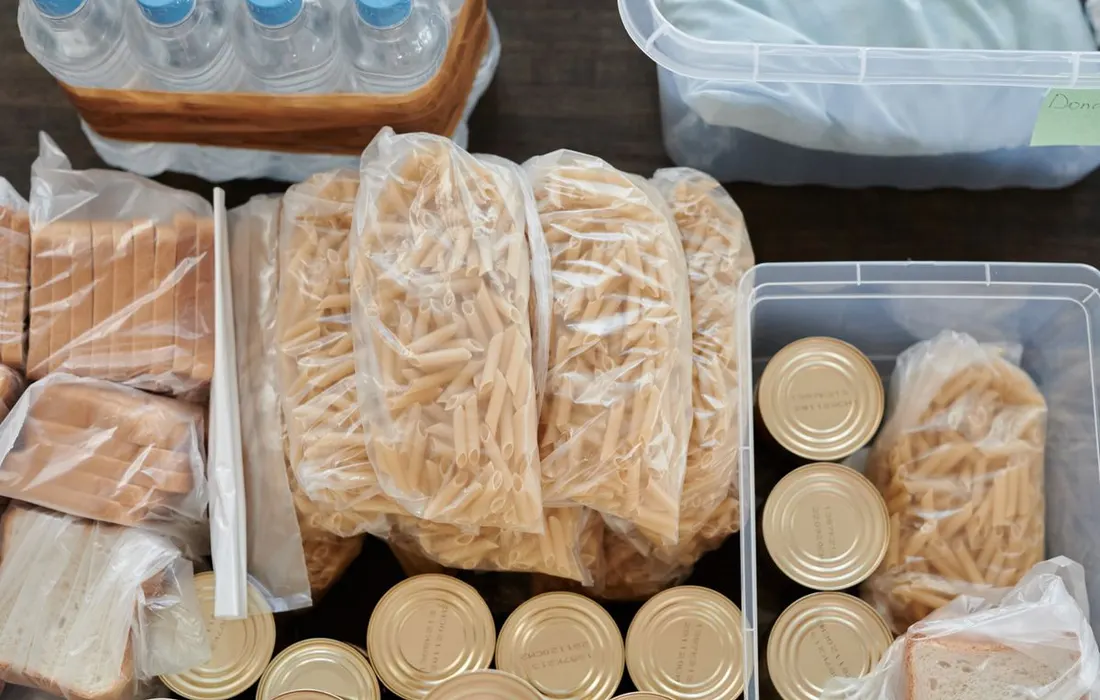
Use the target to organise needs
Count the people at home and consider drinking water, food, light, warmth, information, hygiene and personal care. Include the tasks normally handled by powered equipment or regular deliveries. Start with essentials you can store and maintain, adding gradually rather than trying to complete everything in one purchase.
- Plan 3 litres of drinking water per person per day, plus extra for other uses.
- Include pets and necessary feeding equipment in the calculation.
Understand what supplies cannot do
A kit cannot make a flooded building safe, guarantee medical continuity or replace an evacuation instruction. Some people need a specific care plan or provider agreement because their needs are not covered by a general household checklist. Make those conversations part of preparation.
Review your own circumstances
Remote access, mobility, household size and storage may affect what is practical. If you choose to hold more supplies, do so safely and avoid waste or unaffordable purchases. If you cannot meet the target, complete useful steps you can manage and identify support you may need. The European Commission's preparedness strategy also discusses a minimum 72-hour self-sufficiency aim, but national guidance and local response arrangements remain relevant. A common headline does not make every country's system identical.
Reader comments
What has helped your household? Share practical experience or ask a question. No account or email needed.
Names are unverified. Comments are readers' views, not official advice. Please avoid personal details, medical instructions, promotions and conspiracy claims. Comment policy & privacy
Loading comments.
Leave a comment
Report a comment or request removal