
A garage is not required for an emergency water reserve, and an unsuitable garage may be worse than a modest indoor cupboard. Think about temperature, access, contamination and weight. Suitable storage must work for both the water and the person who needs it.
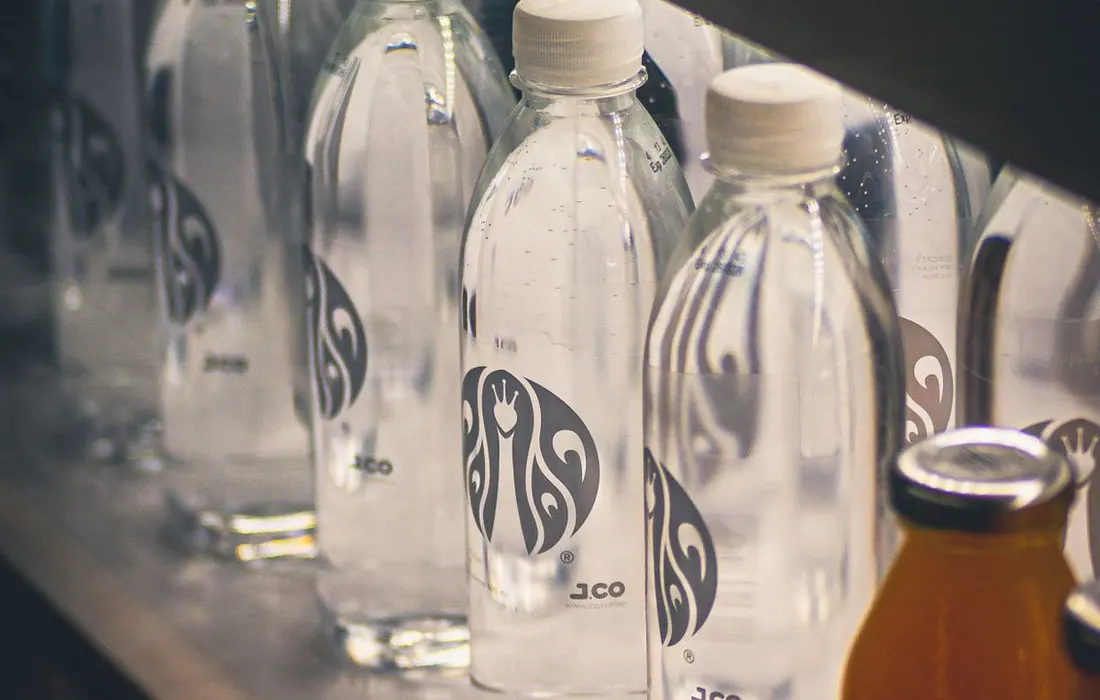
Look for stable low storage
A low cupboard or other protected space may suit smaller bottles. Check the furniture is designed for the load and that bottles cannot roll into a walkway. Keep water away from hot pipes, direct sunlight and cleaning products. Follow the manufacturer's storage directions rather than choosing a location solely because it is hidden.
- Do not block an exit or communal corridor.
- Avoid placing heavy water on an uncertain shelf.
Split the reserve sensibly
Several accessible locations may be easier than one large stack. Write them on the household plan so nobody assumes a partial cupboard is the whole supply. Keep the water distinguishable from non-drinking liquids. If reaching one spot needs help, keep an immediately usable amount somewhere the intended person can reach independently.
Build only what you can maintain
Plan towards 3 litres of drinking water per person per day for three days, plus other uses, while working within safe space and budget. If storage remains difficult, discuss additional support with your water supplier and plan how alternative water could reach you. Do not depend on an unconfirmed delivery or assume that an improvised filter replaces a reserve. Recheck the arrangement after a move, furniture change or leak.
Reader comments
What has helped your household? Share practical experience or ask a question. No account or email needed.
Names are unverified. Comments are readers' views, not official advice. Please avoid personal details, medical instructions, promotions and conspiracy claims. Comment policy & privacy
Loading comments.
Leave a comment
Report a comment or request removal