
Limited space changes how you store supplies, but it does not remove the benefit of preparation. A flat usually needs a distributed plan: some essentials near the exit, some drinking water in a suitable cupboard and important information where everyone can find it.
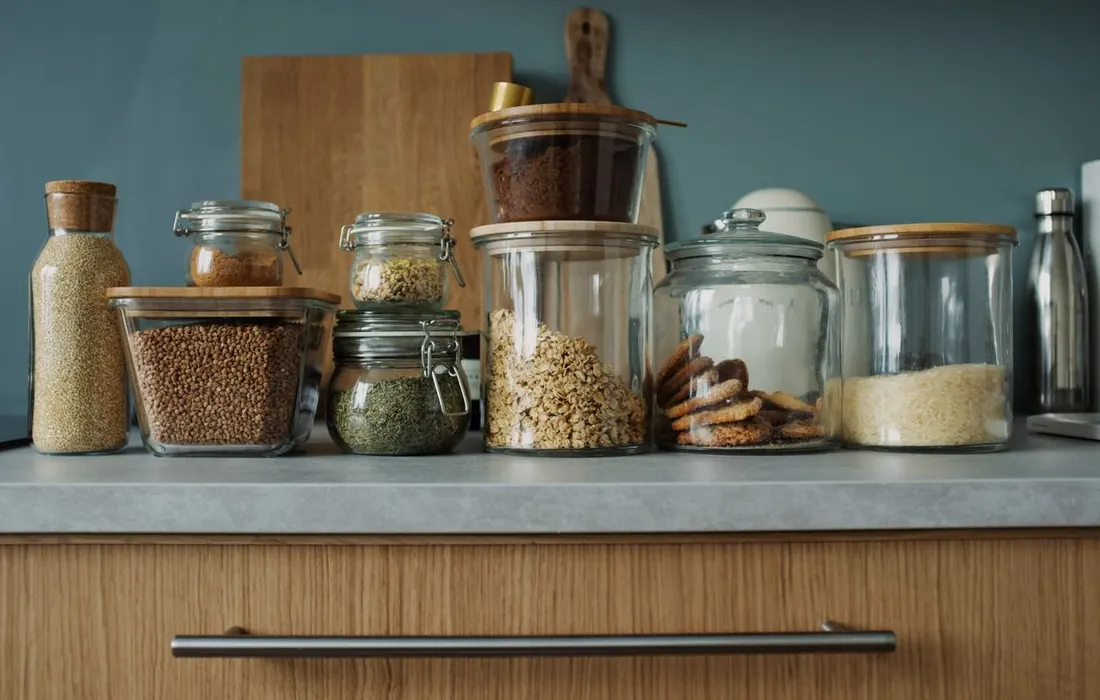
Store around everyday access
Choose low, stable storage for heavy water. Keep it away from heat, cleaning chemicals and places likely to flood. Do not put heavy containers on top of wardrobes or in an escape route. Smaller bottles may fit and pour more easily than one large container.
- Measure the space before ordering a storage box.
- Keep communal corridors and fire doors clear.
Separate staying from leaving
Home supplies can be heavier than a grab bag. Keep the portable bag light enough for the person who would carry it, with essential documents, charging equipment and personal necessities. Check your building's evacuation arrangements with its responsible manager rather than copying a plan for a detached house.
Make shared systems visible
Find out whether entry doors, lifts, water pumps or intercoms depend on electricity. Ask how residents receive updates during disruption. Practise locating the torch and keys without moving furniture. Store familiar food in your ordinary cupboard rotation to avoid needing a separate pantry. If water storage is genuinely difficult, speak to the supplier about extra support and think through how you would collect or receive alternative supplies safely. Do not assume a neighbour or building manager can guarantee delivery during a widespread incident.
Reader comments
What has helped your household? Share practical experience or ask a question. No account or email needed.
Names are unverified. Comments are readers' views, not official advice. Please avoid personal details, medical instructions, promotions and conspiracy claims. Comment policy & privacy
Loading comments.
Leave a comment
Report a comment or request removal