
Large packs often look economical until an outage removes the refrigerator. Many foods that store safely unopened need different conditions once opened. Portion planning helps reduce both waste and pressure to eat food that has not been kept safely.
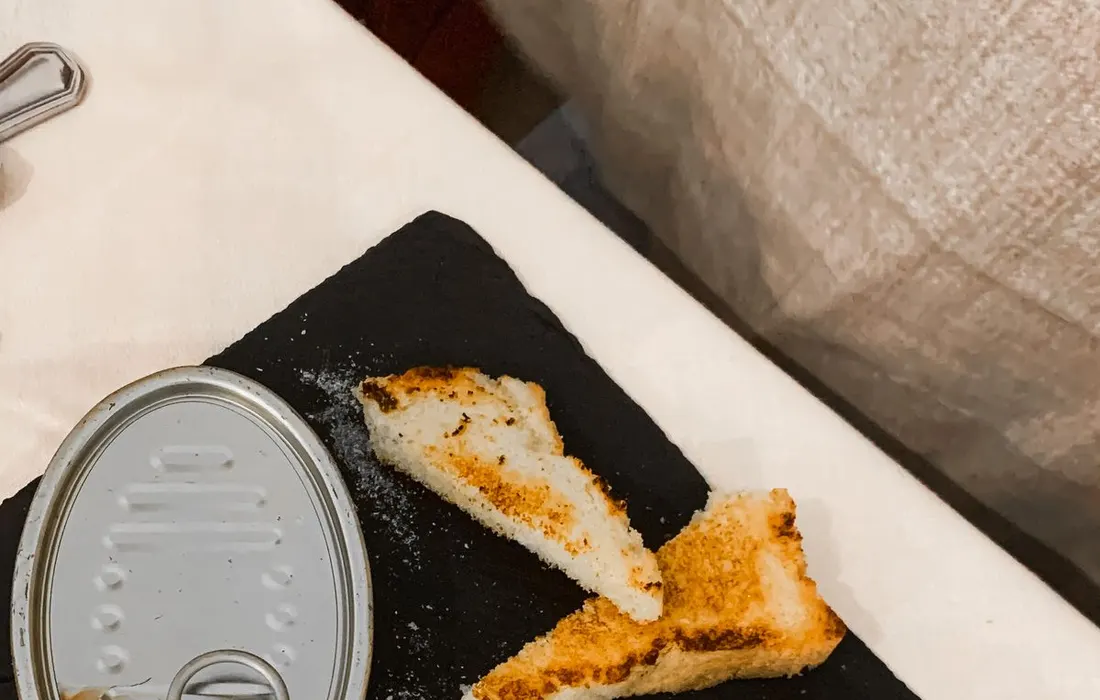
Read the opened-product instruction
Look for refrigeration requirements and the time allowed after opening. These vary by product. Do not assume that a shelf-stable carton remains shelf-stable after the seal is broken. Keep the label so another person can check it, and use clean utensils when serving.
- Count people actually at home, not the usual maximum.
- Avoid opening several large items for variety alone.
Compare the real cost
Smaller packs may cost more per unit but can work better for one person, an individual dietary need or a grab bag. Larger packs can be practical when the household will finish them together. Include packaging and waste in the decision without letting either concern override food safety.
Practise a realistic meal
Try the proposed combination on an ordinary day and note how much remains. Change the reserve if the portion repeatedly goes uneaten. Include food that can be used safely without cooking, plus manageable drinking water and hygiene arrangements. During an actual power cut, do not keep leftovers at room temperature because they came from a tin or because the weather feels cool. Use the product instructions and current official food-safety guidance. A smaller reserve of appropriately sized, familiar food may be more useful than a large cupboard that only works with continuous refrigeration.
Reader comments
What has helped your household? Share practical experience or ask a question. No account or email needed.
Names are unverified. Comments are readers' views, not official advice. Please avoid personal details, medical instructions, promotions and conspiracy claims. Comment policy & privacy
Loading comments.
Leave a comment
Report a comment or request removal