
Improving weather does not mean every part of the property is safe. A cautious observation from a safe place can help you describe a problem to the right person, but it is not a structural inspection or a reason to attempt a repair.
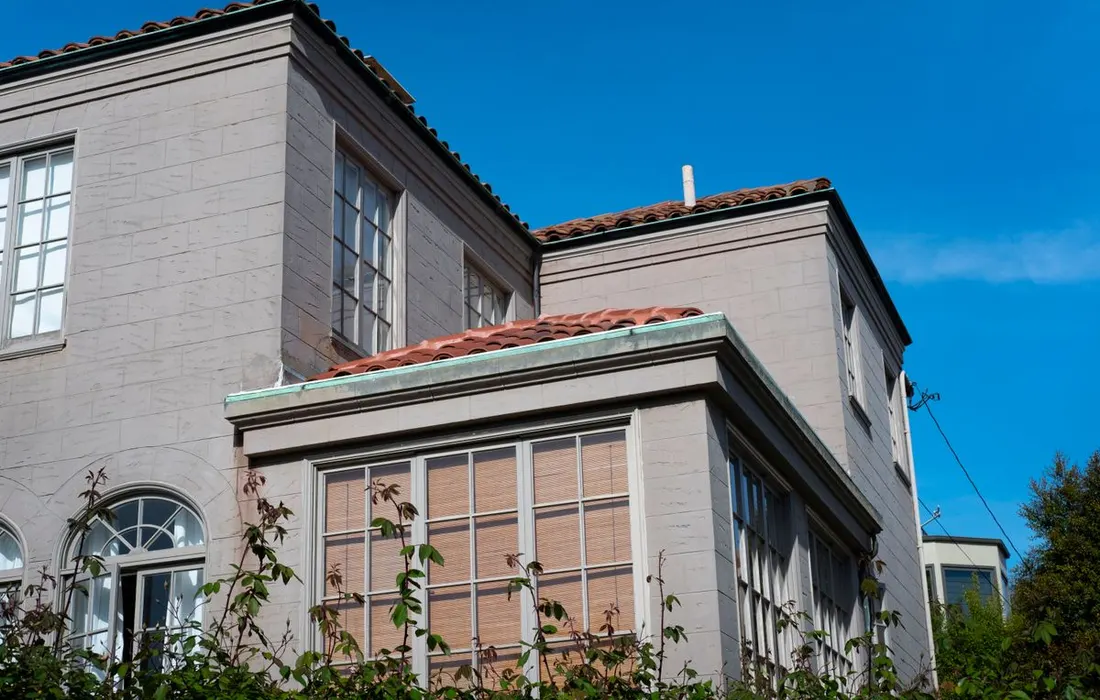
Wait for conditions and instructions
Follow current official advice about going outside and returning to affected areas. Avoid weakened walls, trees and damaged buildings, and do not touch fallen electrical or telephone cables. If you are unsure about a serious hazard, keep away and seek appropriate professional or emergency advice rather than testing it yourself.
- Keep children and pets away from the area of concern.
Record what you can safely see
Note the location and appearance of damage without climbing or moving heavy debris. Photographs can support a report when safely taken, but they do not establish the building's condition. Use simple observations such as a new leak or a displaced fitting rather than diagnosing the cause from the ground.
- Tell the landlord or insurer through its verified reporting route.
Arrange the right follow-up
Ask the responsible owner, utility provider or qualified professional what should happen next. Keep records of advice and do not restart affected systems without the appropriate clearance. Once immediate hazards are addressed, review what maintenance or storage change might help in future. Avoid adding a large shopping list when the real issue is a repair or an unclear contact route.
- Keep the household's current contact summary updated.
Reader comments
What has helped your household? Share practical experience or ask a question. No account or email needed.
Names are unverified. Comments are readers' views, not official advice. Please avoid personal details, medical instructions, promotions and conspiracy claims. Comment policy & privacy
Loading comments.
Leave a comment
Report a comment or request removal