
The easiest reserve to maintain is one that overlaps with food you already eat. Rotation means using suitable older stock before replacing it, while respecting safety dates and storage instructions. It should not mean forcing the household to eat unsuitable food simply because it was bought for an emergency.
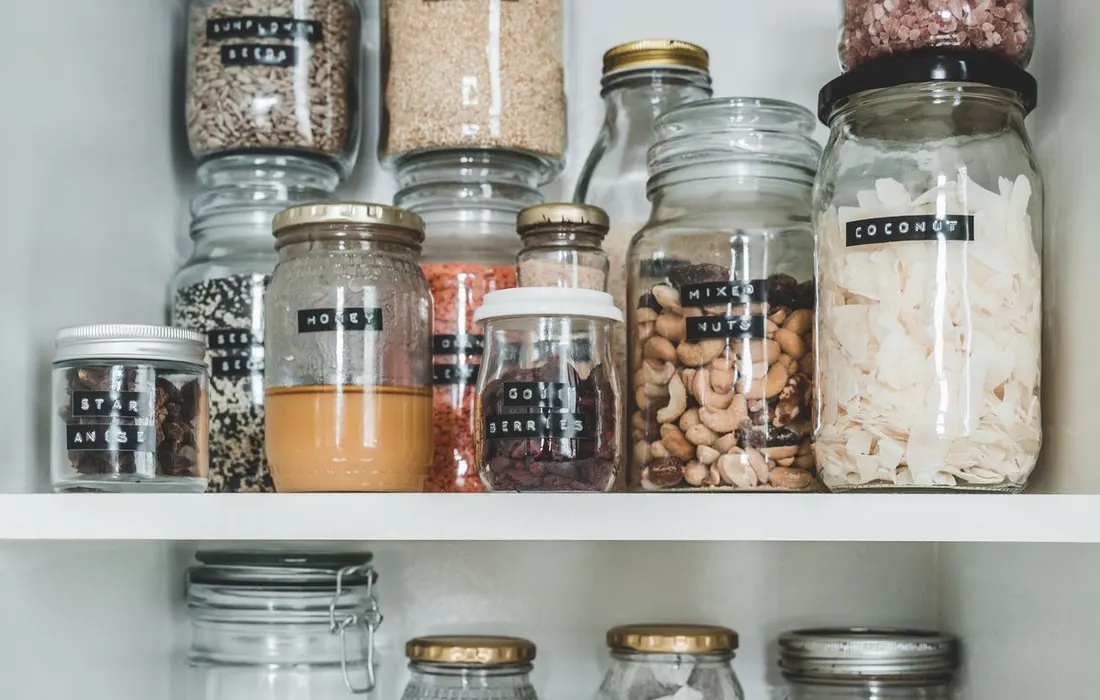
Make dates visible
Keep original packaging and place the next suitable items to use at the front. A short shelf list can help if dates are small or hidden. Distinguish best-before information from use-by dates; the former concerns quality, while the latter concerns safety. Never treat a reserve label as permission to ignore the product's instructions.
- Check storage conditions as well as dates.
- Remove damaged or otherwise unsuitable packaging.
Rotate through normal meals
Choose a few routine meals that use the reserve. When an item is used, add it to the normal shopping list rather than immediately ordering a large replacement batch. Use portion sizes your household can finish. This reduces forgotten stock and avoids a cupboard full of food that only one person tolerates.
Keep the reserve count honest
A rotation system can gradually shrink if replacement is forgotten. Record the minimum amount you aim to keep and check it at a convenient interval. Review after guests, illness or an actual interruption. If needs change, adjust the list rather than maintaining an outdated menu. The goal is a modest, dependable reserve within your budget, with enough suitable no-cook options to remain useful when the cooker or fridge is unavailable.
Reader comments
What has helped your household? Share practical experience or ask a question. No account or email needed.
Names are unverified. Comments are readers' views, not official advice. Please avoid personal details, medical instructions, promotions and conspiracy claims. Comment policy & privacy
Loading comments.
Leave a comment
Report a comment or request removal