
Sharing a torch or radio can be practical during disruption. Lending equipment also creates questions about condition, compatibility and the borrower's needs. Choose simple items you understand, and avoid treating an emergency as the time to improvise with fuel, electrics or specialist devices.
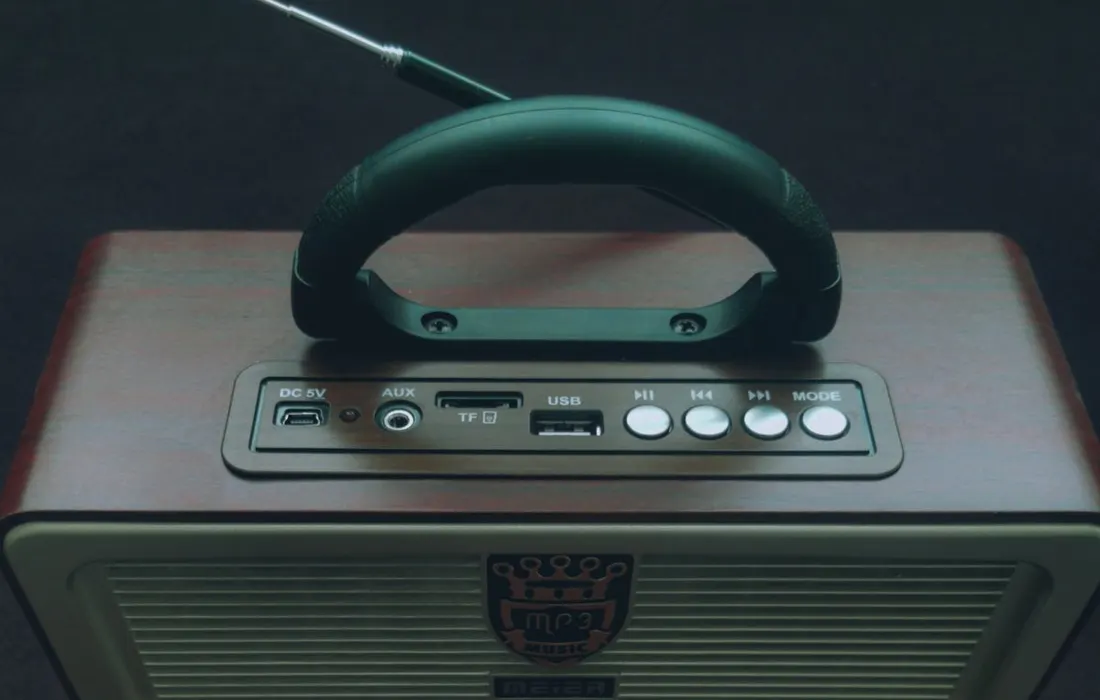
Ask what problem the item should solve
A spare light may be useful; an unfamiliar power setup may introduce a different risk. Confirm that the item is appropriate for the person and intended use. Do not lend medical or specialist equipment as a substitute for provider advice, and do not promise a battery will run a device without approved compatibility information.
- Offer the manufacturer's instructions with the item.
Check condition and safe use
Inspect ordinary equipment according to its instructions and avoid lending damaged batteries, cables or appliances. Explain charging or battery requirements and any limits you know. Outdoor-only cooking or heating equipment must not be used indoors, in garages or tents. If you cannot confidently explain the safe intended use, choose another way to help.
- Keep your own essential household needs covered too.
Agree a simple handover
Arrange collection or delivery only when safe and keep journeys within official advice. Record who has the item and how to return it without demanding unnecessary personal information. After use, inspect and replenish it as appropriate. For an ongoing need, help the person find a suitable provider or support route rather than relying indefinitely on an improvised loan.
- Avoid making the borrower feel obliged to accept unsuitable equipment.
Reader comments
What has helped your household? Share practical experience or ask a question. No account or email needed.
Names are unverified. Comments are readers' views, not official advice. Please avoid personal details, medical instructions, promotions and conspiracy claims. Comment policy & privacy
Loading comments.
Leave a comment
Report a comment or request removal