
Leftovers can save money in ordinary circumstances, but safe storage becomes harder when electricity is interrupted. The fact that a meal was cooked properly or came from a shelf-stable tin does not make it safe to leave at room temperature indefinitely. Plan portions to reduce the problem.
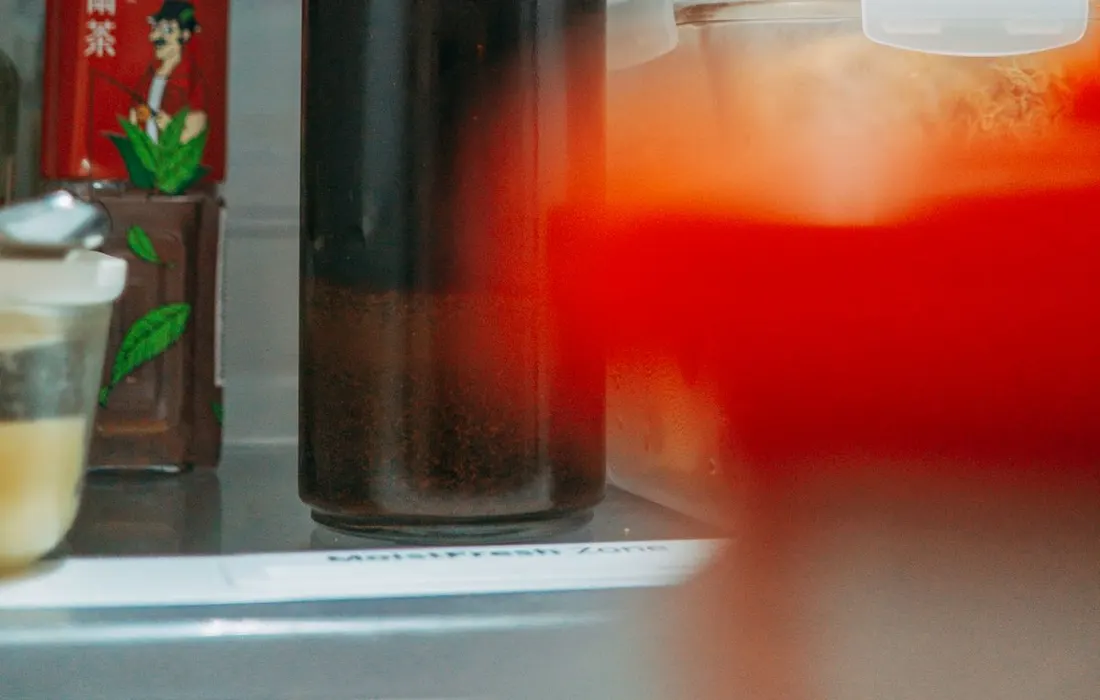
Keep the storage history clear
Note when food was prepared or opened and what conditions it has been kept in. Use the relevant product instructions and current FSA guidance. Do not rely on smell or a quick taste to establish safety, and do not assume reheating can undo every problem caused by poor storage.
- Avoid preparing a large batch without a safe storage plan.
- Keep raw ingredients separate from ready-to-eat food.
Choose smaller usable amounts
Single-meal or household-sized portions can be more practical during an outage, even where large packs normally cost less per unit. Include suitable shelf-stable meals that need little handling. Do not open several products at once merely to create variety if the remainder cannot be kept safely.
Reset carefully after power returns
A working fridge does not restore the earlier storage history of food that has already been kept unsafely. Follow authoritative guidance about what can be retained. Clean affected equipment appropriately and replace essential food gradually. Record the practical issue for future planning: perhaps the menu relied on a large carton or assumed chilled leftovers would be available the next day. A better portion plan reduces waste without asking the household to accept food-safety risks.
Reader comments
What has helped your household? Share practical experience or ask a question. No account or email needed.
Names are unverified. Comments are readers' views, not official advice. Please avoid personal details, medical instructions, promotions and conspiracy claims. Comment policy & privacy
Loading comments.
Leave a comment
Report a comment or request removal