
A key that is somewhere in the house can still be difficult to find in poor light. Agreeing a consistent place reduces searching, while a secure access arrangement protects the household. The right solution depends on the doors, building instructions and people using them.
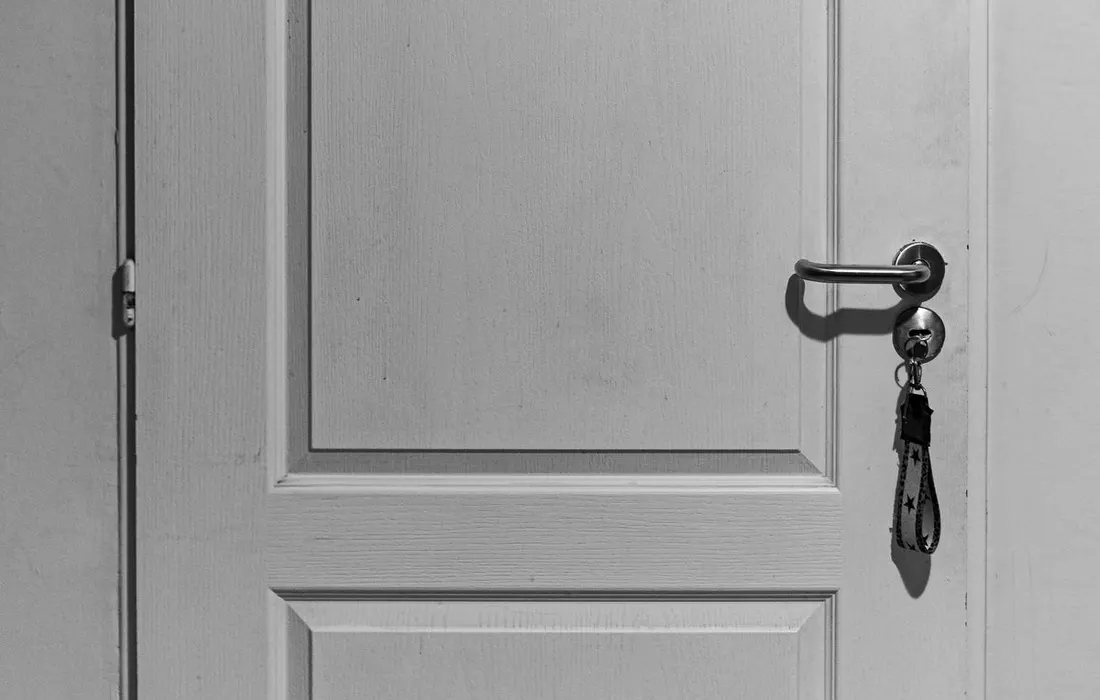
Check the actual exit arrangement
Use the relevant fire-service and building guidance to understand which keys or controls are needed for the normal route. Ask the responsible owner about anything unclear or difficult to operate. Do not modify a lock, door or fire-safety fitting yourself to make a household plan easier.
- Keep the agreed route clear and doors usable as intended.
Choose a usable storage habit
Agree a place responsible household members can find and reach without climbing or moving heavy objects. Consider sight, dexterity and memory needs respectfully. A tiny hook or unfamiliar container may not suit everyone. Do not publish the location or spare-key arrangements in a public group or on an unrestricted community contact list.
- Show authorised carers or visitors what they need to know.
Review after ordinary changes
New locks, a different bag or a move can break the habit. Check the arrangement during a calm walk-through and replace outdated information. During an actual fire or other urgent danger, do not delay safety to search for valuables or retrieve a departure kit. Follow the applicable emergency plan and ask the relevant service about any unresolved access difficulty.
- Keep private access information separate from general emergency contacts.
Reader comments
What has helped your household? Share practical experience or ask a question. No account or email needed.
Names are unverified. Comments are readers' views, not official advice. Please avoid personal details, medical instructions, promotions and conspiracy claims. Comment policy & privacy
Loading comments.
Leave a comment
Report a comment or request removal