
Preparedness supplies should make the household easier to manage, not harder to leave. A stack of water, spare equipment or donated goods can narrow a route long before anyone notices. Check storage as part of ordinary home safety, especially in a small or shared property.
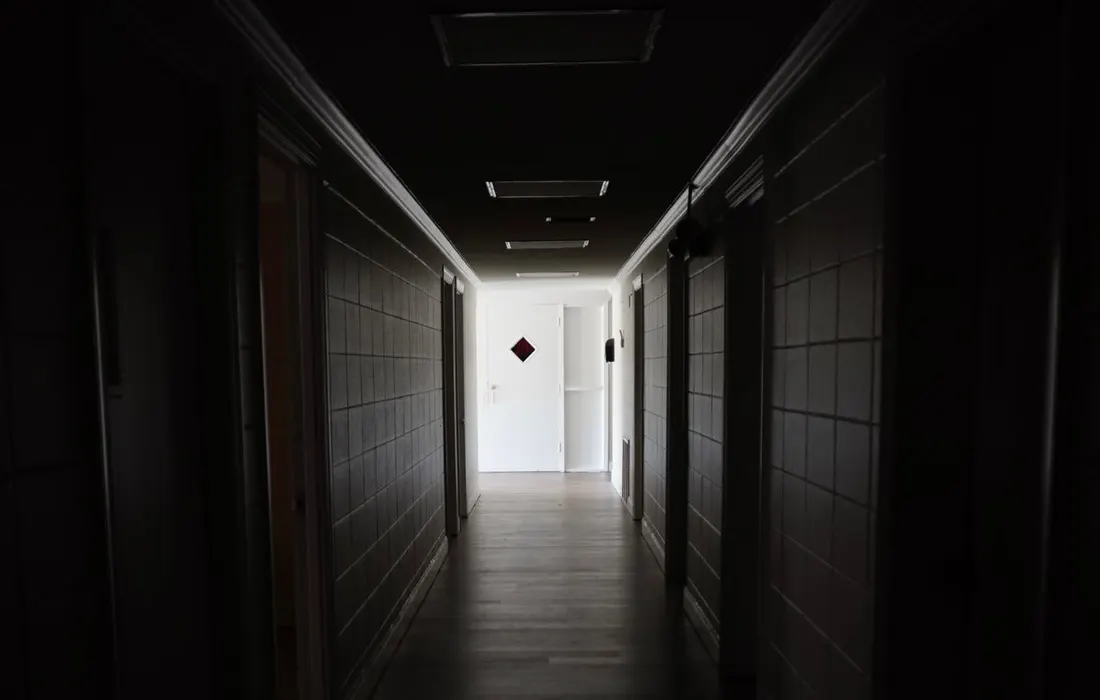
Look at the route people actually use
Walk from sleeping areas to the normal exit in ordinary conditions and note shoes, cables, boxes and furniture that make movement awkward. Think about children, mobility aids and a person moving in poor light. Do not use a narrow landing or stairway as overflow storage simply because an emergency box fits there.
- Keep doors able to open as intended.
Respect shared-building arrangements
Common corridors and stairs are not spare cupboard space. Follow the responsible building organisation's storage rules and report blocked routes through the appropriate contact. Do not move someone's specialist equipment casually; ask the responsible person to resolve the issue safely. Charging batteries and storing bulky items near exits can introduce additional concerns.
- Keep fire doors unobstructed and do not prop them open.
Make the storage plan smaller if needed
Choose manageable supplies and distribute them in suitable accessible places rather than forcing a single large box into a route. Build gradually and review what you actually use. During a real emergency, follow the household or building plan and do not delay to retrieve stock. Replace a storage arrangement that makes ordinary daily access more difficult.
- Repeat the check after deliveries or a furniture change.
Reader comments
What has helped your household? Share practical experience or ask a question. No account or email needed.
Names are unverified. Comments are readers' views, not official advice. Please avoid personal details, medical instructions, promotions and conspiracy claims. Comment policy & privacy
Loading comments.
Leave a comment
Report a comment or request removal