
A fridge door is worth keeping closed during an outage, but that alone cannot establish food safety indefinitely. The decision depends on temperature, elapsed time, the food and the appliance. Use current Food Standards Agency guidance rather than an unconditional online rule that every fridge lasts the same number of hours.
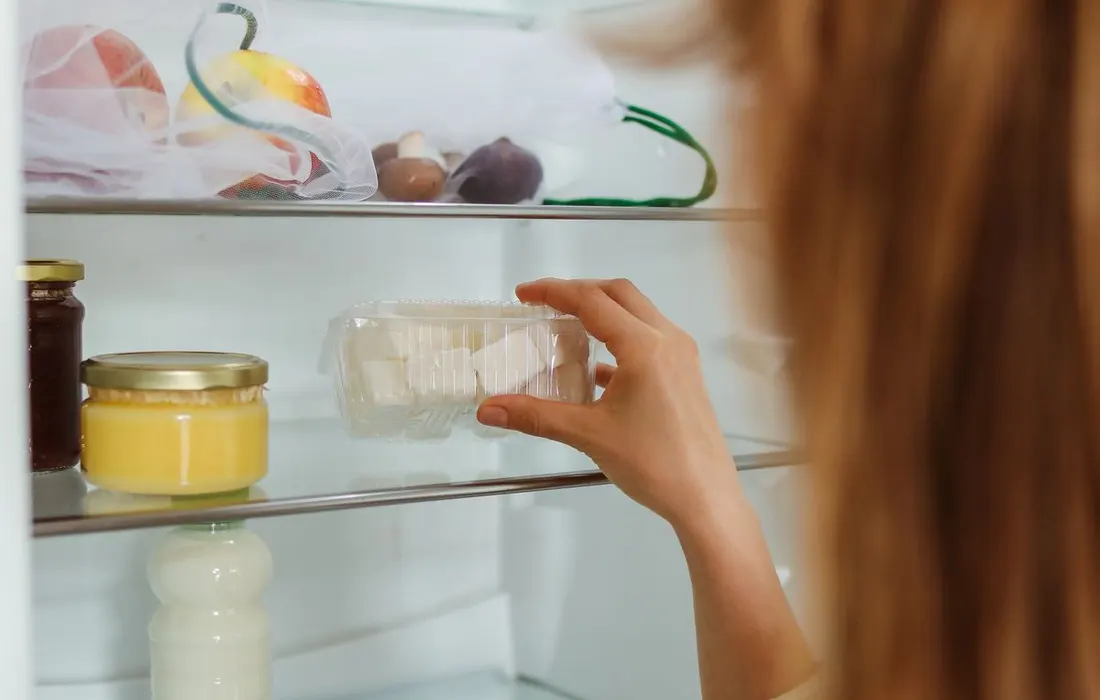
Gather useful information
Note when the interruption began and avoid opening the door repeatedly. A fridge thermometer can provide information the control dial does not. Check the actual reading only when necessary and understand that one moment's temperature does not reconstruct an unknown storage history.
- Record any known period the appliance was already malfunctioning.
- Keep raw and ready-to-eat foods appropriately separated.
Use authoritative guidance
The FSA publishes specific power-cut advice, including estimates that depend on conditions. Read the current page for the applicable time and temperature guidance. Do not taste higher-risk food to test safety, and do not rely on smell or the use-by date alone when normal chilling has failed.
Keep a fallback available
Suitable shelf-stable no-cook food reduces pressure to take a chance with uncertain chilled food. Do not open several refrigerated products simply to use them quickly if they cannot be eaten or stored safely. When power returns, check the appliance and any relevant instructions before restocking. Record discarded food and evidence if you intend to ask an insurer about a claim, but never delay safe disposal or retain unsafe food solely for a photograph. Seek advice if the storage history is unclear.
Reader comments
What has helped your household? Share practical experience or ask a question. No account or email needed.
Names are unverified. Comments are readers' views, not official advice. Please avoid personal details, medical instructions, promotions and conspiracy claims. Comment policy & privacy
Loading comments.
Leave a comment
Report a comment or request removal