
Freeze-dried meals can be useful in some settings, but a household reserve does not automatically need them. Compare the complete preparation process and cost with familiar food that can be eaten safely without cooking. Long unopened shelf life is only one part of practical value.
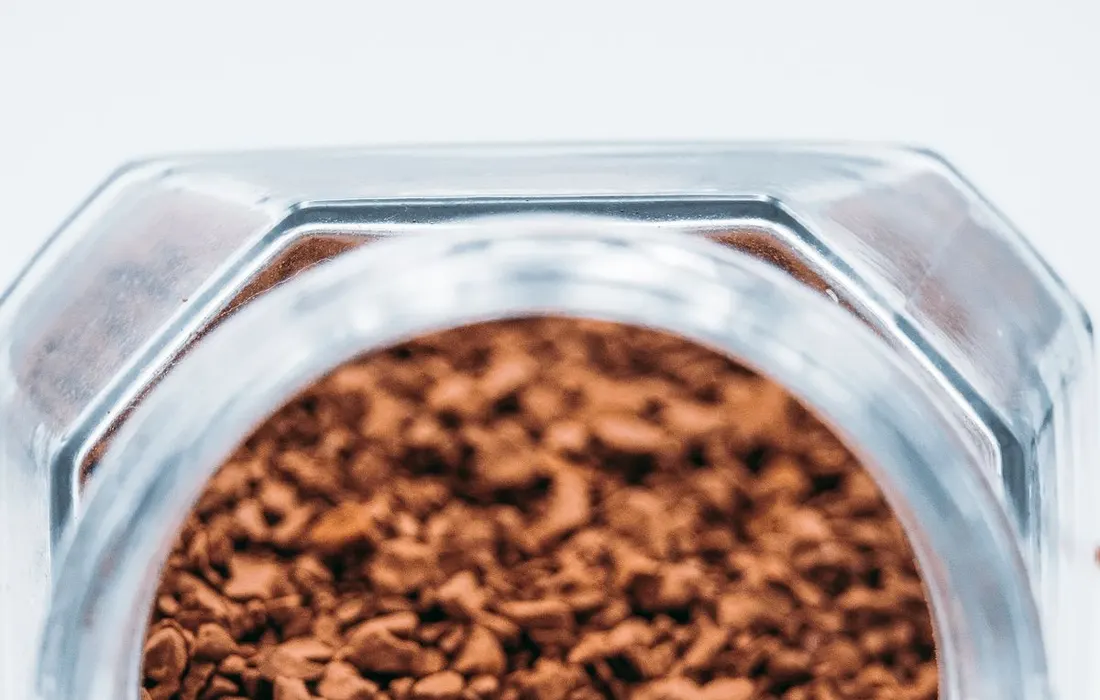
Check the dependencies
Read the exact amount and quality of water required, whether heating is necessary and how long preparation takes. Account for utensils and cleaning too. A compact pouch may save shelf space while shifting the burden to your water reserve and safe energy supply.
- Check ingredients and allergens on the actual product.
- Read storage instructions after preparation or opening.
Try before buying in quantity
Taste and texture can affect whether a meal will be eaten, particularly by children or people with sensory needs. Buy a small amount first if you decide to try it, and follow the instructions under ordinary safe conditions. Do not rely on marketing claims about portions without checking what your household considers a meal.
Compare simpler alternatives
Suitable canned foods, crackers and other familiar products may meet a short interruption need at lower cost and with fewer preparation steps. Specialist food can have a place if it fills a specific gap you have identified. Include its water and equipment needs in the total price, and never bring outdoor cooking equipment inside to make it usable. Choose a reserve that remains practical when the situation is inconvenient, not only when every supporting device and supply works as planned.
Reader comments
What has helped your household? Share practical experience or ask a question. No account or email needed.
Names are unverified. Comments are readers' views, not official advice. Please avoid personal details, medical instructions, promotions and conspiracy claims. Comment policy & privacy
Loading comments.
Leave a comment
Report a comment or request removal