
An emergency food reserve should not make this week's meals harder to afford. Start with the food already in your home and identify one small gap. Familiar supermarket products can be more practical than expensive emergency packs, especially when you use them in ordinary meals and replace them gradually.
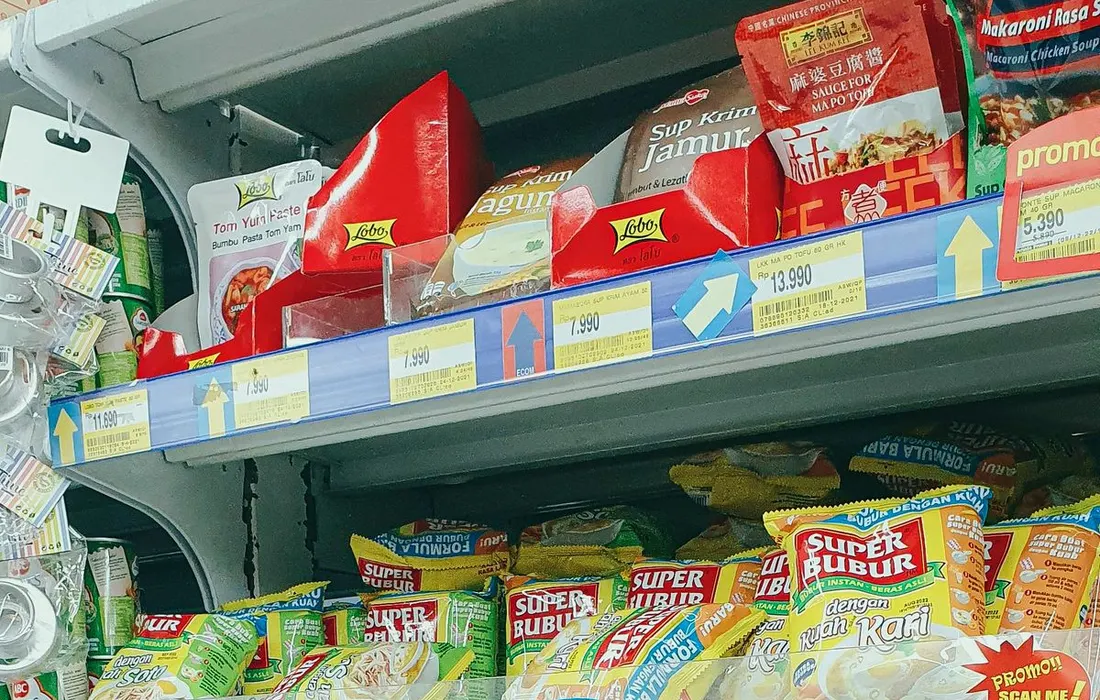
Compare usable portions
Price per kilogram is only part of value. Consider how much food people will eat, whether it needs cooking and what happens to leftovers. A large tin can cost less per serving but waste more if it must be chilled after opening and the fridge is unavailable.
- Check the need for an opener, water and fuel.
- Avoid buying unfamiliar bulk food just for a discount.
Use ordinary rotation
Choose items already accepted by the household and bring older suitable stock forward. Add a replacement to the usual shopping list after using it. Keep labels visible and respect safety dates. One clear shelf can work better than a separate box that is forgotten until food quality has deteriorated.
Keep the plan proportionate
Aim towards a manageable three-day fallback, accounting for individual needs, without treating the target as an urgent debt-funded purchase. If food is already difficult to afford, check current local council and trusted community support arrangements. Availability varies, so verify before depending on a particular service. Free actions such as writing a menu, checking labels and locating a manual opener still improve readiness. Do not sacrifice necessary food today to create an unused reserve for a hypothetical future event.
Reader comments
What has helped your household? Share practical experience or ask a question. No account or email needed.
Names are unverified. Comments are readers' views, not official advice. Please avoid personal details, medical instructions, promotions and conspiracy claims. Comment policy & privacy
Loading comments.
Leave a comment
Report a comment or request removal