
Rice and pasta can be economical everyday foods, but they depend on preparation. A cupboard full of dry staples may be less useful during a water and electricity interruption than a smaller amount of suitable ready-to-eat food. Match the reserve to the conditions you are planning for.
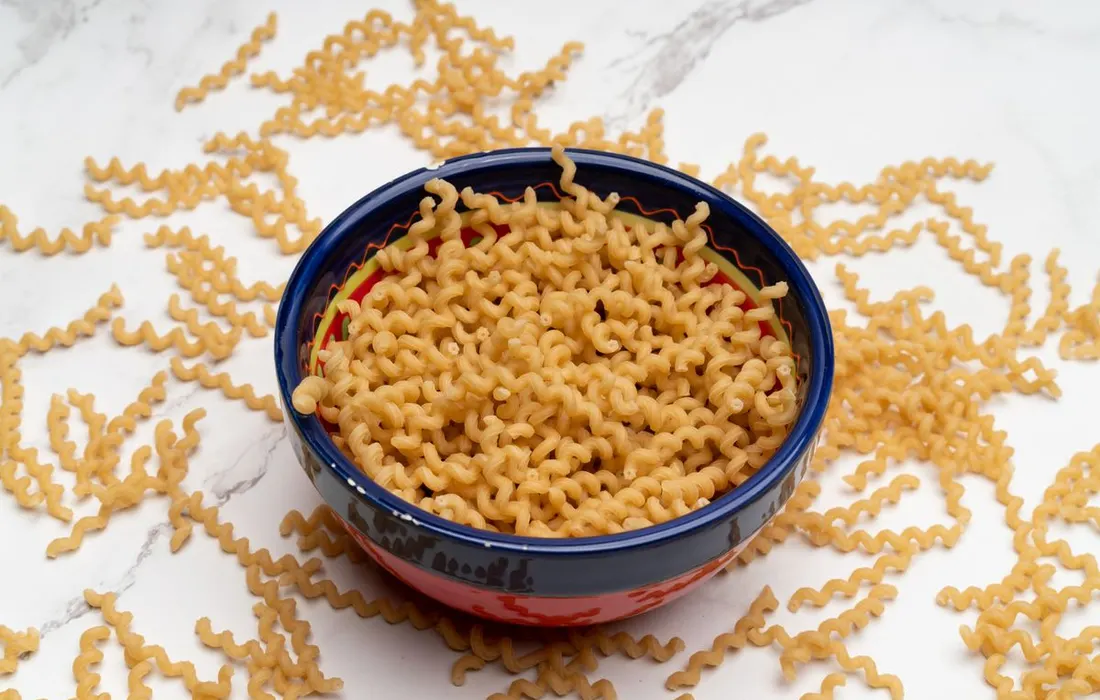
Read what preparation requires
Check cooking instructions and account for clean water, a safe heat source, utensils and washing. Do not assume a dry product can be eaten uncooked or made safe by soaking. Some foods need particular handling after cooking, so a large batch is not automatically a safe solution when refrigeration is unavailable.
- Keep the drinking-water baseline separate from cooking needs.
- Never use outdoor-only cooking equipment inside the home.
Add lower-dependency meals
Choose familiar foods specifically suitable for eating without heating. Check labels because canned and packaged products vary. Include accessible opening equipment and appropriate portions. This gives you an alternative if the equipment required for dry staples cannot be used safely.
Preserve normal value
You do not need to remove rice or pasta from the pantry. Use it in everyday meals and keep the emergency plan honest about its requirements. Avoid bulk purchases based only on storage life or price per kilogram. Test a fallback menu on a normal day and record what was awkward. During an actual incident, follow food-safety and water-supplier instructions rather than improvising preparation methods to use the stock you happen to have bought.
Reader comments
What has helped your household? Share practical experience or ask a question. No account or email needed.
Names are unverified. Comments are readers' views, not official advice. Please avoid personal details, medical instructions, promotions and conspiracy claims. Comment policy & privacy
Loading comments.
Leave a comment
Report a comment or request removal