
A grab bag and a home water reserve have different jobs. Home supplies can cover a planned period; a portable bag must be light enough to carry while leaving safely. Treat water as an essential part of that load without assuming you can move several days' full household supply at once.
Plan for the carrier
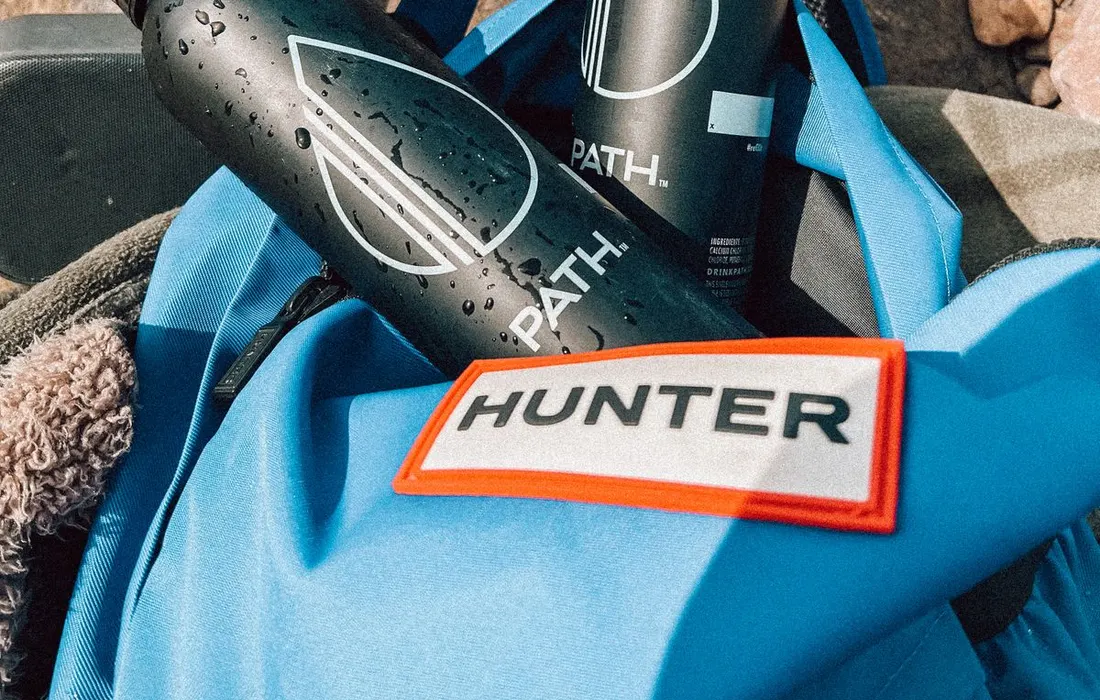
Consider strength, stairs, mobility aids, children and pets. Choose a sealed or otherwise suitable drinking-water container that fits securely and can be opened by the user. Pack it so a leak would not ruin documents or electrical items. Test the overall bag in ordinary safe conditions.
- Avoid attaching heavy bottles where they unbalance the bag.
- Keep drinking water distinct from other liquids.
Think beyond the first container
Record where you could obtain official support or safe additional supplies, while recognising plans may change. Do not assume every public building has drinking water or every evacuation destination is open to pets. Follow local instructions and check the actual arrangements when an incident occurs.
Do not let packing delay departure
If you are told to leave immediately, prioritise people and the instructions given. Do not make repeated trips to retrieve water or stay in an unsafe building because the bag is incomplete. Keep suitable water ready in advance where practical, then review it with the other supplies. Personal medical or infant-feeding needs may require particular water arrangements, which should be agreed with the responsible professional rather than adapted from a general grab-bag checklist.
Reader comments
What has helped your household? Share practical experience or ask a question. No account or email needed.
Names are unverified. Comments are readers' views, not official advice. Please avoid personal details, medical instructions, promotions and conspiracy claims. Comment policy & privacy
Loading comments.
Leave a comment
Report a comment or request removal