
A long storage life depends on packaging and conditions as well as the printed date. Water leaks, pests, rough handling and excessive heat can affect food before you need it. A brief inspection helps you find problems while there is still time to replace an item normally.
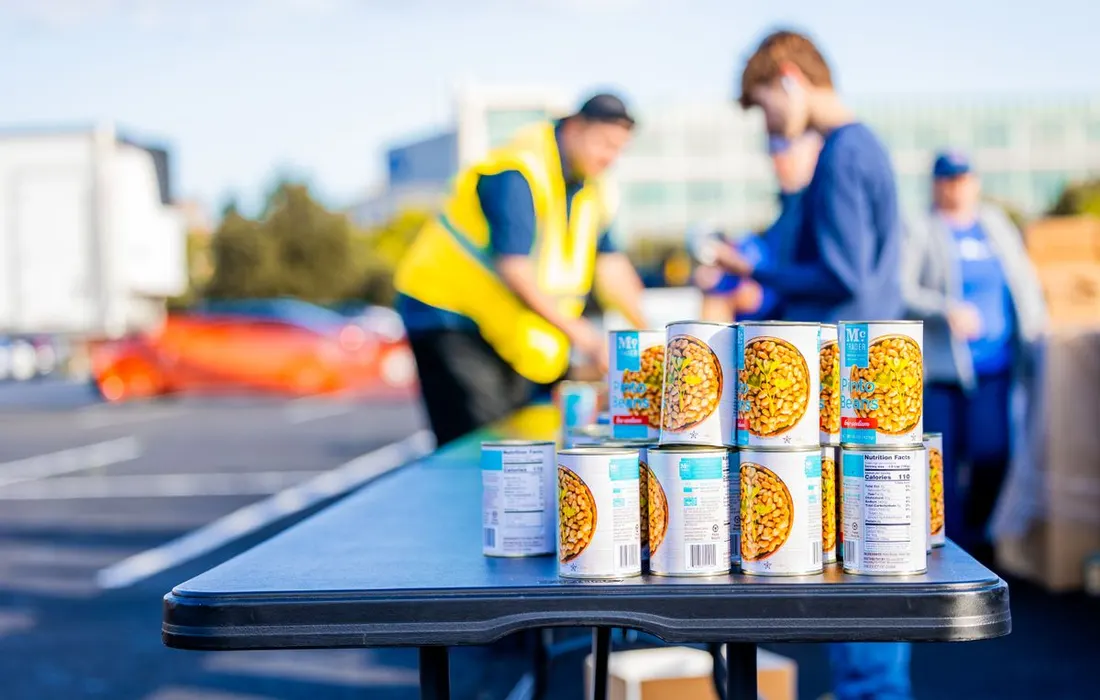
Check the whole package
Look for leakage, broken seals, unusual swelling or significant damage, and read any product warnings. Do not open or taste a suspicious item to find out whether it is safe. If you are uncertain about a particular product, use manufacturer or food-safety advice rather than a generic internet test.
- Keep original labels and batch details readable.
- Separate suspect items from the usable reserve.
Review the storage place
Food should be kept under its stated conditions, away from damp, chemicals and pests. Avoid a cupboard where tins repeatedly rust or packages become wet. Do not store food directly beside cleaning liquids just because both fit in an emergency box. Check shelving is stable and the load is appropriate.
Replace proportionately
Record the actual gap and add a suitable replacement to the next shop if you can. Review why the damage happened before buying more. Flood-affected food requires specific official guidance; wiping a package does not automatically resolve contamination concerns. During an incident, choose intact suitable food with a known storage history. The aim is a dependable reserve, not preserving every purchase indefinitely or using an emergency as a reason to accept damaged packaging you would normally reject.
Reader comments
What has helped your household? Share practical experience or ask a question. No account or email needed.
Names are unverified. Comments are readers' views, not official advice. Please avoid personal details, medical instructions, promotions and conspiracy claims. Comment policy & privacy
Loading comments.
Leave a comment
Report a comment or request removal