
Pet travel depends on the animal, starting point, destination and route. Check current official requirements and veterinary advice early, then consider what a cancelled crossing or longer stay would change.
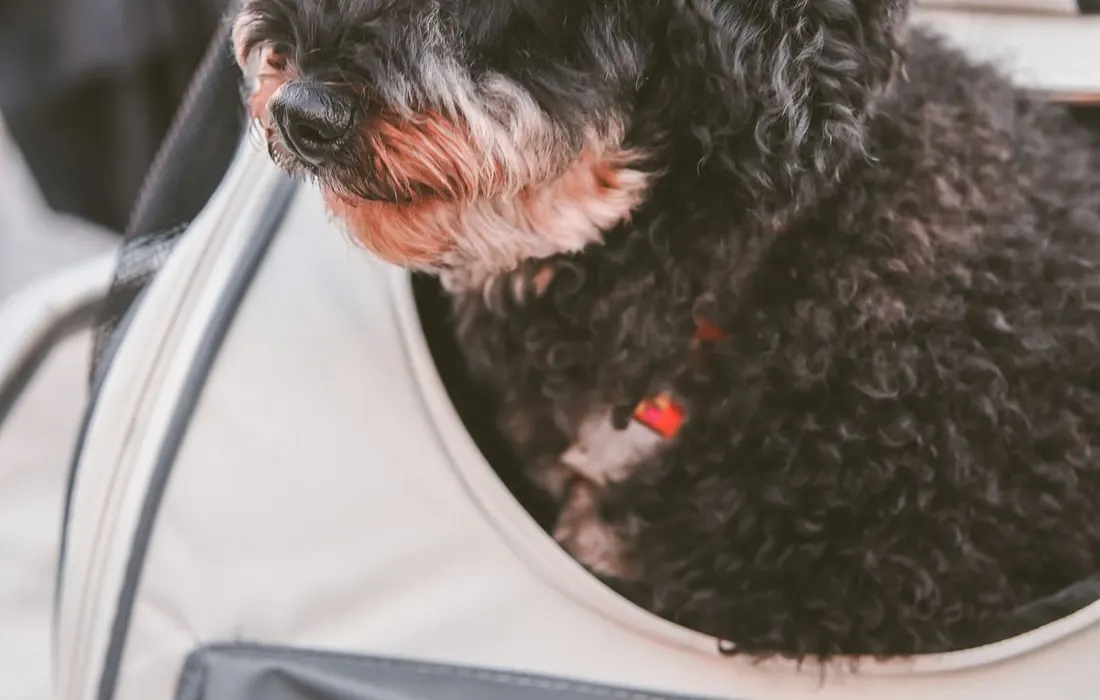
Use the correct official route
Read the European Commission and destination-country information for your species and journey. Rules for a private pet journey can differ from commercial movements, and Great Britain and Northern Ireland are not interchangeable in every process. Ask an authorised veterinary professional about the specific documents and timing rather than relying on an old traveller's checklist.
- Include transit and return requirements.
- Keep original documents accessible where required.
Ask about a changed date
Discuss what happens if a ferry or other connection is postponed. Some requirements depend on timing, so ask the relevant authority or vet rather than assuming all paperwork remains valid indefinitely. Check whether alternative accommodation accepts the animal and can support its normal care. Keep familiar food and prescribed medicines with you.
- Save the vet and carrier's contact details.
- Check identification information is current.
Keep welfare central
Do not leave an animal in a parked car while arranging a replacement booking. Follow carrier instructions and local weather advice, especially in heat or storms. If travel cannot safely continue, seek suitable accommodation and veterinary help where needed. Do not attempt a hazardous drive to protect a schedule or avoid paperwork questions.
- Keep transport equipment reachable.
- Tell helpers about significant changes in location.
Reader comments
What has helped your household? Share practical experience or ask a question. No account or email needed.
Names are unverified. Comments are readers' views, not official advice. Please avoid personal details, medical instructions, promotions and conspiracy claims. Comment policy & privacy
Loading comments.
Leave a comment
Report a comment or request removal