
Food can make a disrupted day feel more manageable, especially for children or people who find sudden changes difficult. A small comfort item can be useful alongside the essential meal plan. It should fit the household's dietary needs and storage conditions rather than becoming the entire reserve.
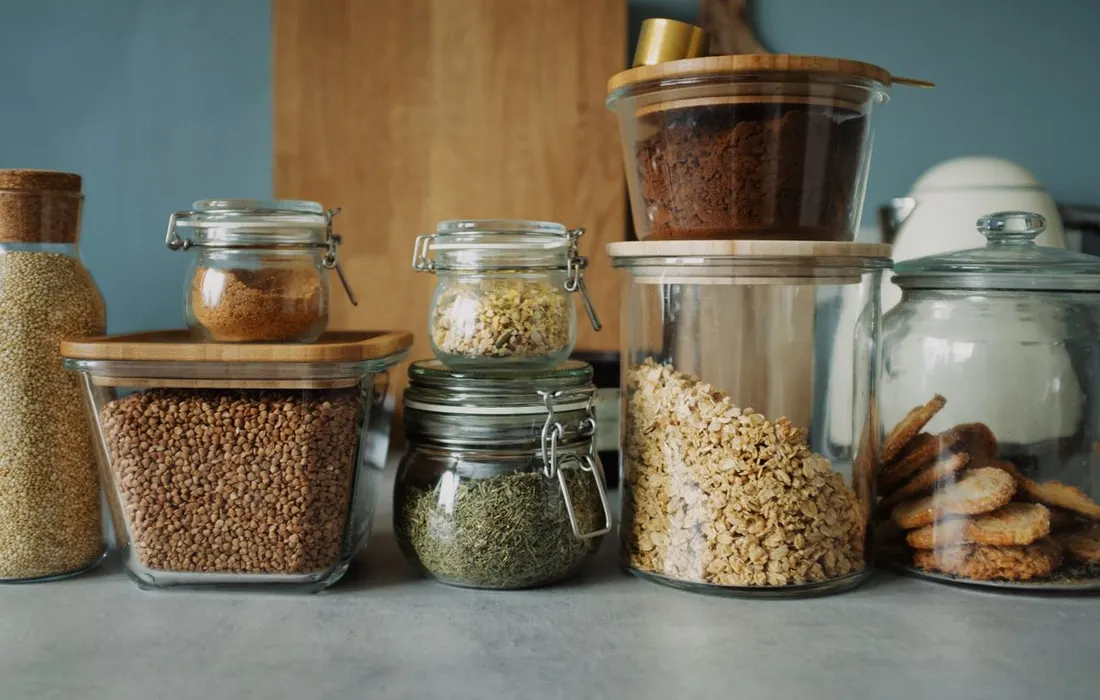
Choose something familiar
Think about what people already enjoy and can eat safely. An unfamiliar survival ration is not automatically reassuring because it is designed for emergencies. Check allergies, texture, packaging and any preparation needed. A favourite hot drink still depends on water and a safe way to heat it.
- Keep a no-heat alternative where cooking may be unavailable.
- Avoid food that creates an unmet refrigeration need after opening.
Keep meals in view
Make sure the reserve contains workable portions for breakfast, lunch and evening meals, with drinking water accounted for separately. Snacks can help variety but should not hide the absence of suitable food. If someone has a prescribed diet, keep that advice central rather than making an exception because a product is comforting.
Use ordinary rotation
Buy a modest amount and replace it through normal shopping. Check whether the item disappears from the reserve faster than it is replenished, particularly if it is a household favourite. Store it where people know what is available for everyday use and what is being kept as a fallback. Preparedness should support people, not enforce an inflexible menu. A calm plan leaves room for preferences while preserving safe food, water and care arrangements.
Reader comments
What has helped your household? Share practical experience or ask a question. No account or email needed.
Names are unverified. Comments are readers' views, not official advice. Please avoid personal details, medical instructions, promotions and conspiracy claims. Comment policy & privacy
Loading comments.
Leave a comment
Report a comment or request removal