
Travel charging needs to match the actual device, supply and transport rules. A plug that fits does not establish that a battery, charger or medical device is suitable for use at the destination.
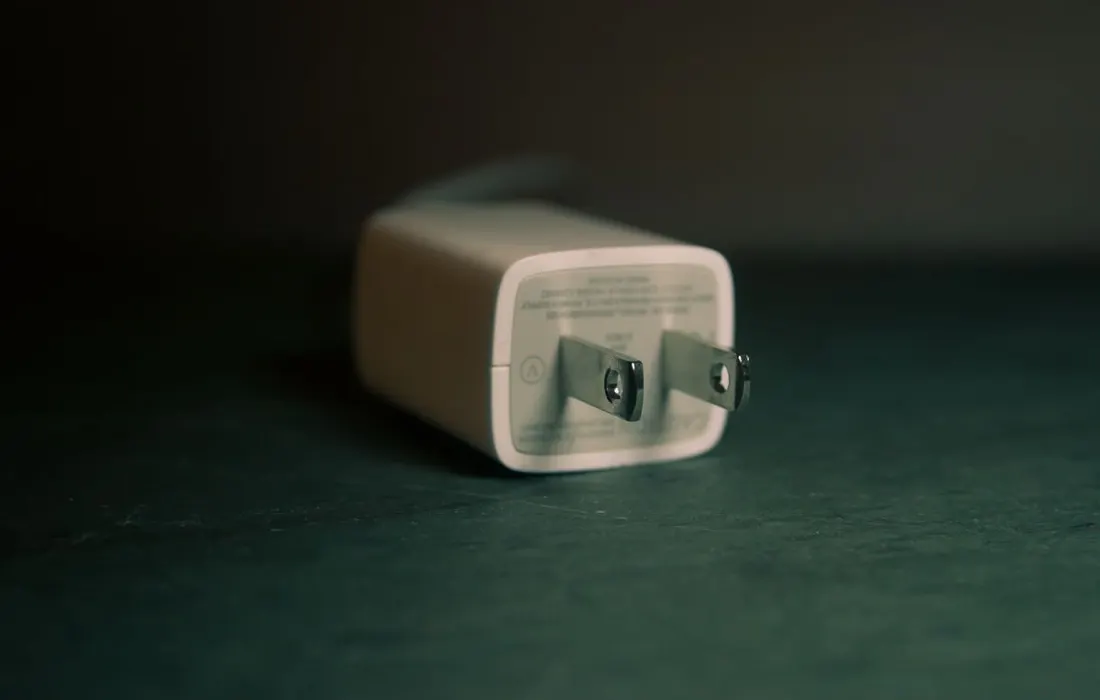
Check the manufacturer's requirements
Read the device and charger instructions for the destination's electrical supply and the equipment's intended use. Ask the supplier if uncertain. Use approved components rather than improvised cables or conversions. For essential care equipment, obtain a device-specific travel and outage plan from the relevant provider, including support arrangements abroad.
- Keep model and support details offline.
- Check for damage before packing.
Confirm the destination and journey
Ask accommodation providers about suitable sockets, location and access, especially where equipment must run overnight. Check the carrier's current rules for batteries and mobility or medical equipment before travel. Do not assume every battery can go in every bag or that a shared socket will be available during a long delay.
- Keep required documentation with the equipment.
- Ask about assistance before booking.
Plan for supply failure
Know how long the approved backup supports the prescribed use and when help is needed. Do not estimate from marketing capacity alone or test by disconnecting essential equipment. If a destination cannot meet the requirements, change the arrangement before travelling. Never use a generator indoors or in a garage to create an emergency substitute.
- Tell travelling companions the support plan.
- Review backup arrangements after any device change.
Reader comments
What has helped your household? Share practical experience or ask a question. No account or email needed.
Names are unverified. Comments are readers' views, not official advice. Please avoid personal details, medical instructions, promotions and conspiracy claims. Comment policy & privacy
Loading comments.
Leave a comment
Report a comment or request removal