
The cheapest price per litre is not always the best choice for a household reserve. A large container may be difficult to lift, pour or move down stairs. Smaller bottles cost more packaging space but can be easier to distribute, carry and use without help.
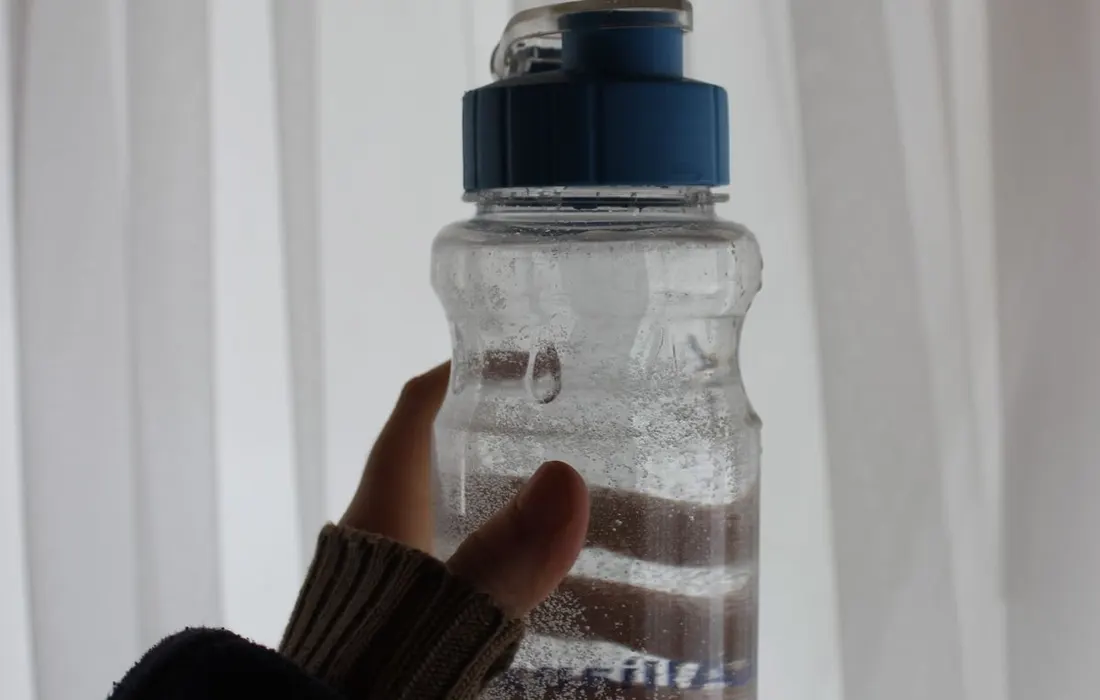
Start with the user
Ask who will fetch and pour the water. Consider grip, reach and whether a container must be moved with a walking aid or other equipment. A handle does not guarantee that a full container is manageable. Test a similar weight in safe conditions rather than discovering the problem during an interruption.
- Keep the first drinking water within easy reach.
- Avoid storing heavy containers above shoulder height.
Compare practical storage
Measure the cupboard and account for the shelf's capacity. Leave enough access to remove one bottle without shifting the whole reserve. Keep packaged water under suitable conditions and follow its label. Do not use containers previously used for chemicals or fuel, even if they appear clean.
Consider what happens after opening
Check the product's instructions for opened containers. If a household cannot finish a large container under the specified conditions, smaller units may create less waste. Sealed bottles also make it easier to give someone a manageable amount when agreed. The aim is to meet your household's drinking-water plan plus extra uses safely, not to assemble the largest possible tank. Keep supplier contact details with the reserve so you can check current instructions when an outage occurs.
Reader comments
What has helped your household? Share practical experience or ask a question. No account or email needed.
Names are unverified. Comments are readers' views, not official advice. Please avoid personal details, medical instructions, promotions and conspiracy claims. Comment policy & privacy
Loading comments.
Leave a comment
Report a comment or request removal